Fzin Coffee: Brewing a Sustainable Fix for Ireland's Pod Problem
A Clean Swap Mission, One Pod at a Time
A single busy hotel can get through as many coffee pods in one day as an average household does in a whole year. Multiply that across every hotel, office and café in Ireland, and you start to see a waste problem hiding behind every morning fix.
Fzin Coffee wanted to do something about it.
A Coffee Company With Bigger Ambitions
Fzin Coffee has been pouring quality Italian coffee into the Irish market since 2021, becoming a limited company in 2023. Today the business runs an 80+ product portfolio, spanning certified compostable coffee pods, machines, beans, ground coffee, hot chocolates, syrups, purees, toppings and sauces. They're giving buyers access to award-winning coffee and beverage products through a single, cleaner-purchasing supplier.
The name itself sets the tone. Fzin comes from the Greek phrase Ef Zin, meaning "to live well." It's the idea that personal wellbeing, great coffee, and doing right by the planet were never meant to be independent of each other.
But Fzin didn't start out as a sustainability company. They started as a coffee company that kept asking inconvenient questions. That's where this story really begins.

Brewed for Quality, Bothered by Waste
Like many businesses, Fzin Coffee did not begin with sustainability as its primary focus.
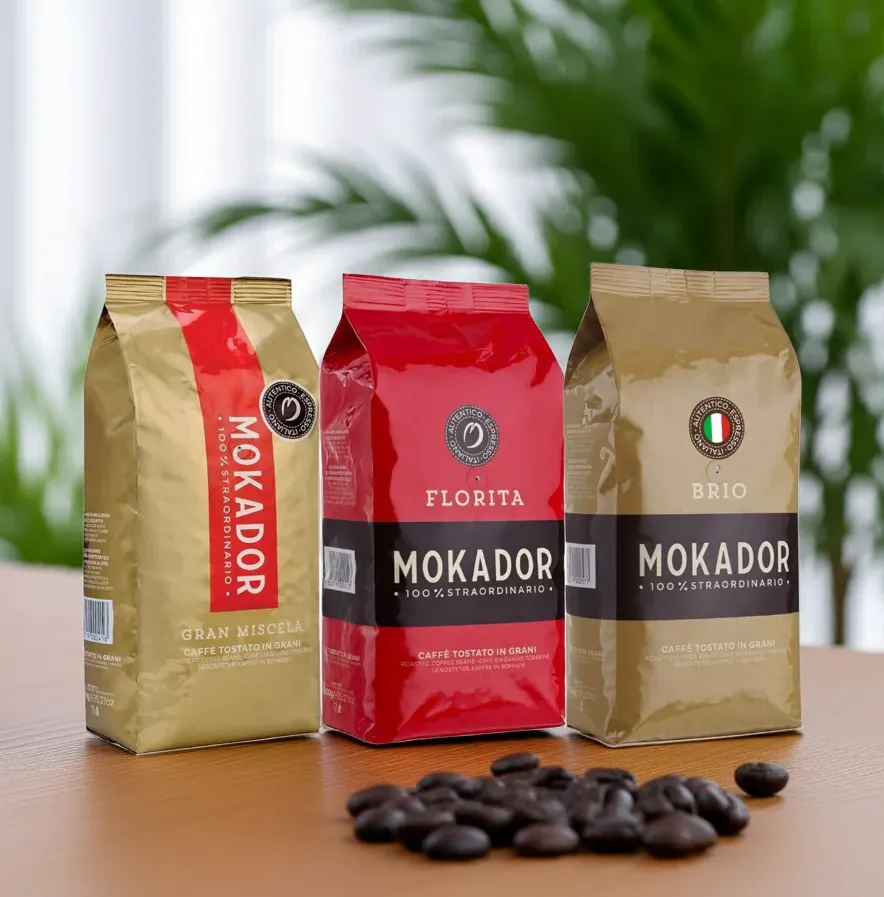
The original vision centred around bringing exceptional Italian coffee to Ireland. The company partnered exclusively with Mokador, a third-generation Italian coffee producer with generations of expertise in espresso roasting, blending, and production.
Coffee looks simple from the outside: bean, machine, cup. In reality, there's a much bigger system behind it: farming, transport, packaging, energy use, and what happens at the very end, once the cup is empty.
Nowhere is that more visible than in the coffee pod market. Convenience created a habit, that habit created a mountain of aluminium and plastic with nowhere good to go. And the language used to describe "greener" alternatives didn't make things any easier. Recyclable, biodegradable, compostable and biobased. To most, they all sound interchangeable. They are not. The real question is rarely what a product is made from. It's what happens to it after someone's finished their espresso. Does it need an industrial facility most towns don't have? Can it actually break down at home? Is there certification behind the claim, or just a nice-sounding word on a packet? Where's the evidence?
For Fzin, that gap between marketing and proof became the problem worth solving.
Sorting the Greenwash from the Green Good Stuff
Fzin's answer wasn't a sustainability department or a policy document. It was a simple operating rule: if it's too difficult, too expensive, or too confusing, people won't change their behaviour. So every move had to clear that bar and make sustainability practical.
Step one: Fix the pod
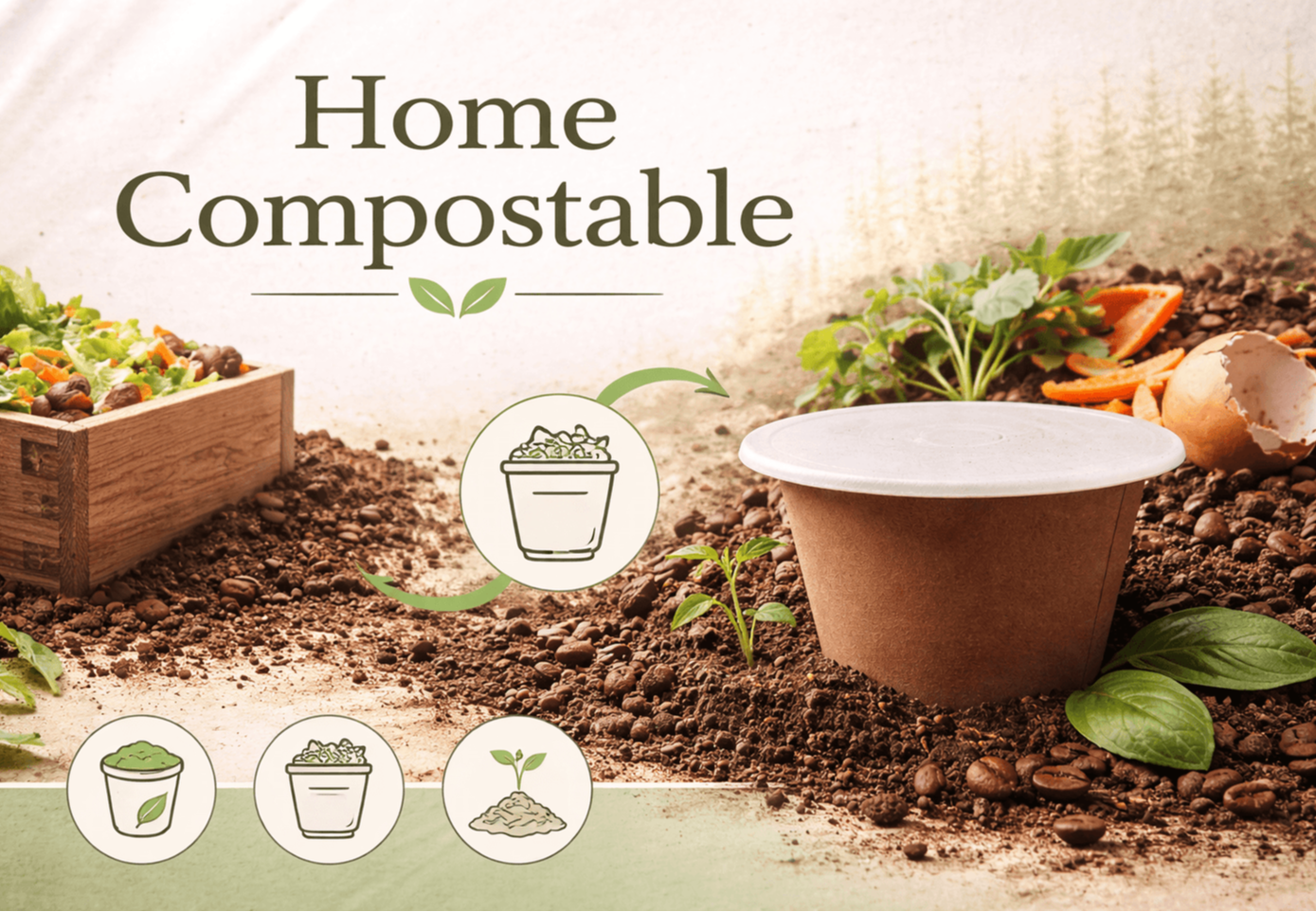
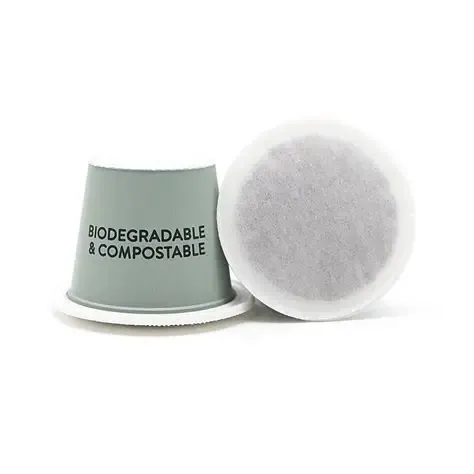
Fzin launched its first compostable range, Diva, then pushed further to create its most advanced product yet - Espresso Aromatico. It's Nespresso OriginalLine compatible, TÜV certified OK Biobased 4 Star (meaning over 80% renewable content), and TÜV certified OK Compost HOME - among the most advanced coffee pod certifications currently available anywhere in the world.
Step two: Evolve the supply chain
Mokador's production is certified to ISO 9001 (quality management) and ISO 14001 (environmental management), with a facility powered by solar panels. Beans carry further backing from CSQA, the Italian Espresso Institute, and Bureau Veritas - independent assurance that what's in the cup is both responsibly made and genuinely high quality.
Step three: Go beyond coffee
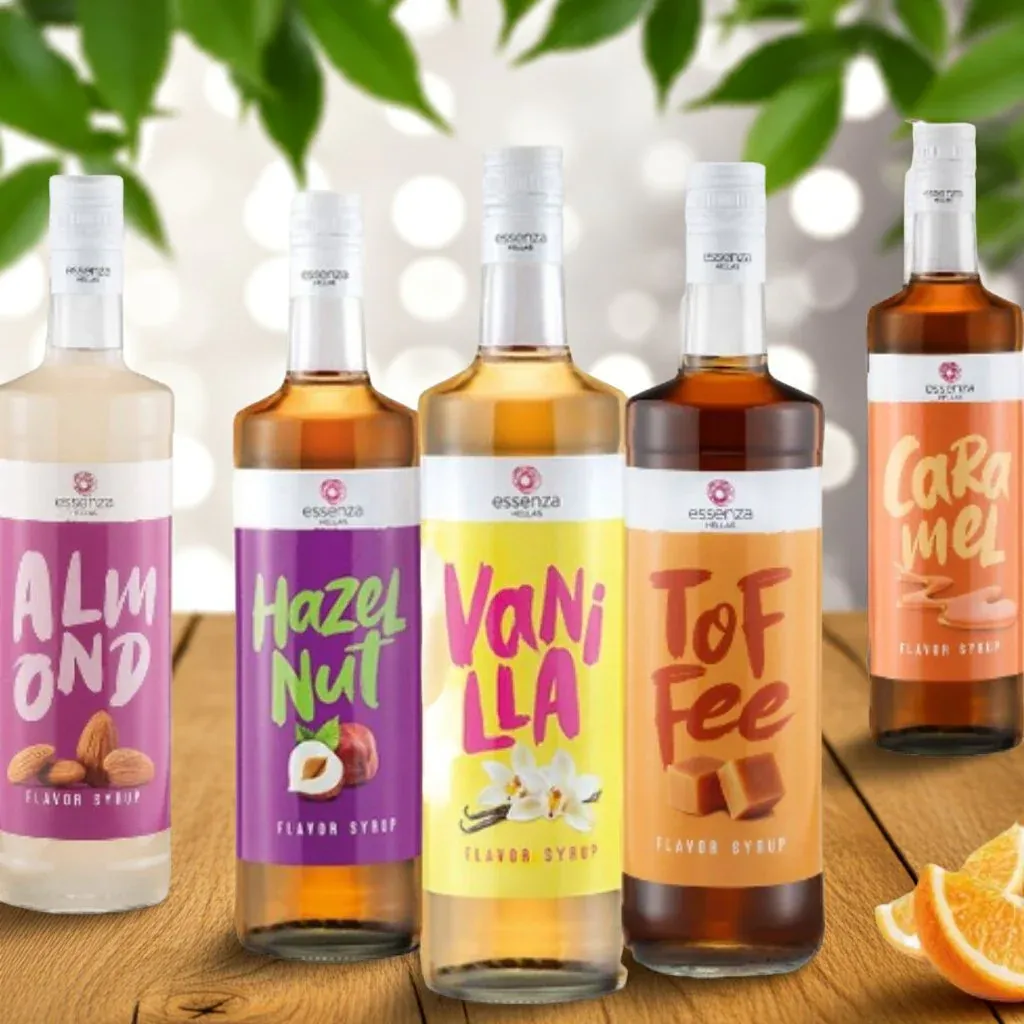
Fzin spent close to a year working with its beverage supplier to strip palm oil out of its entire flavouring and condiment range, removing reliance on a commodity tightly linked to deforestation. They also pushed that same supplier to ditch the industry-standard plastic syrup bottle in favour of glass. And because the supplier ships internationally, that single decision had an impact well beyond the Irish market.

Step four: Clean up at home
A cardboard return packaging scheme takes packaging back from customers to be reused rather than binned - many now use it to hand over extra cardboard they'd otherwise throw away themselves. To keep the whole thing honest, Fzin built an Our Impact register to track exactly what's being diverted, plus a Hospitality calculator so prospective clients can see, in their own numbers, what switching would actually mean.
Show, Don't Just Tell: The Proof Behind the Pods
The throughline across every one of those moves is the same: certification over claims.
- Espresso Aromatico: TÜV certified OK Biobased 4 Star and OK Compost HOME, 80%+ renewable content
- Mokador production: ISO 9001 and ISO 14001 certified, solar-powered facility
- Beans backed by CSQA, the Italian Espresso Institute, and Bureau Veritas
- Palm oil fully removed from the beverage and condiment range
- Industry-standard plastic syrup bottles replaced with glass, with effects reaching international supply
- A live cardboard return scheme tracked through the Our Impact register
Sustainability at Fzin doesn't stop at the supply chain either. The company supports the Memory Café initiative for The Alzheimer Society of Ireland and contributes to global reforestation through its partnership with Treedom, linking tree planting activities directly to coffee sales.
And most recently, the Fzin team earned a Leaf under the LeafMark™ framework!
What Is the LeafMark™?
The LeafMark™ is a three-tier certification that shows how deeply sustainability learning has been embedded across a workforce. It is deliberately different from traditional eco-labels and building audits. Rather than asking “Do you have the right technology?”, the LeafMark™ asks: “Do your people have the right skills?”
Because real change doesn’t happen because a logo is on a website. It happens because the people behind that logo understand what they are doing and why.

More Than a Badge: What the Learning Actually Changed
For the company, the value went far beyond certification itself.
The training strengthened internal decision-making, introduced additional structure to sustainability planning, and reinforced a culture of continuous improvement. The team views sustainability not as a destination but as an ongoing responsibility that requires learning, questioning, and adapting over time.
This mindset also shapes how Fzin Coffee works with customers. Education helps businesses move from good intentions to informed decisions. It allows them to better understand sustainability terminology, assess environmental claims, and ask suppliers more meaningful questions.
The Homework Fzin Does, So You Don't Have To
Recognising that many businesses lack the time or expertise to evaluate complex environmental claims, Fzin Coffee undertakes extensive due diligence before introducing products to the Irish market. The same scrutiny is applied across the wider beverage portfolio, so a claim only makes it onto a label once there's a recognised standard standing behind it.
For customers, this creates confidence. They know the products have been independently assessed and verified, helping them make more informed purchasing decisions. By influencing product design and packaging upstream, Fzin Coffee has helped create improvements that benefit customers across multiple markets and the Our Impact register and Hospitality calculator mean none of that has to be taken on trust.
Sofia Kalfa, Managing Partner
"Sustainability has to be practical. If it's too difficult, too expensive, or too confusing, most people won't change their behaviour. We focus on clean swaps and straightforward processes - small changes are valuable because they compound over time."
Small Swaps, Big Brews: Lessons for Other Businesses
Fzin's advice to anyone starting their own sustainability journey is refreshingly easy on the jargon: start small, and demand proof.
Most organisations delay action because sustainability feels overwhelming. They assume they need a large budget, a multi-phased strategy, or an independent consultant before they can take the first step. Fzin's experience, on both the operational and commercial side, suggests the opposite: pick one habit, look at what it actually costs in waste, materials or energy, and change that first.
Don't take green-sounding words at face value either. Ask what a "compostable" or "biodegradable" claim actually requires to be true. And work with suppliers who can show their certification, not just say the right things. As the EU tightens enforcement around sustainability claims, that proof isn't just good ethics, it's risk management.
Next Round's on Fzin: What's Brewing Ahead
The next phase of growth is focused on scaling impact.
Having successfully established its sustainable beverage portfolio and secured distribution through Musgrave Extended, Fzin is now building its own national sales team, with the ambition of bringing its certified, responsible coffee and beverage range into many more Irish businesses. Export readiness is also underway, taking the same model beyond Ireland.
Education stays central to the plan - helping more businesses tell the difference between conventional pod waste and genuinely certified alternatives, and communicating sustainability clearly enough that customers can choose with confidence, not confusion. Longer term, the team is actively looking at partnerships that tackle plastic and aluminium pod waste at scale, because as they put it:
"It's about taking a daily habit and changing the materials, the buying decision and the waste outcome behind it."
Fzin Coffee has already proven that a small, practical swap, one pod, one bottle, one supplier conversation at a time can add up to something much bigger. The next chapter is about scaling that same idea, without losing what made it work in the first place.