The year that tested my hope, and strengthened my resolve
Dec 22, 2025
A Year of Shifting Balance: Breakdown and Resilience
As 2025 draws to a close, I find myself reflecting on a year that has been both deeply sobering and unexpectedly illuminating. Professionally and personally, this year has strengthened my belief that humanity stands at an inflection point. On one side of the scale sits undeniable environmental breakdown and the devastating resurfacing of global conflict. On the other side lies the resilience of communities, the rise of international cooperation in environmental protection, and the quiet but determined progress of those who refuse to give up on our shared future.
Escalating Environmental Disasters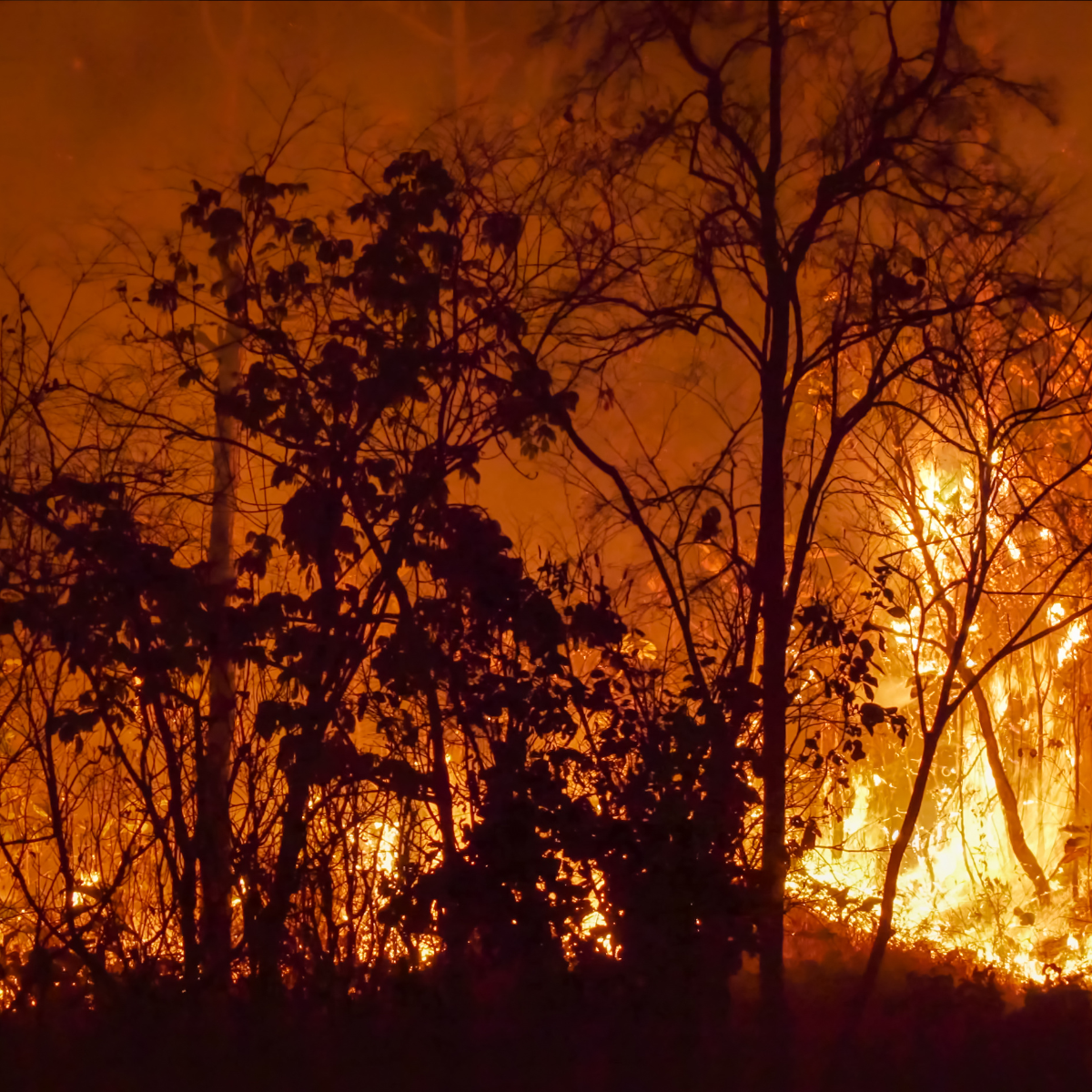
The environmental disasters of 2025 have been among the most consequential in recent memory. The United States endured its costliest first half-year for climate-driven disasters, with fourteen separate weather events causing more than one billion dollars in damage each. Most emblematic were the Los Angeles wildfires, which engulfed communities in flames, destroyed infrastructure, and forced thousands from their homes. For many, it was another painful signal that climate-intensified fires are no longer seasonal or predictable, they are constant threats in a rapidly warming world.
Catastrophic flooding across Southeast Asia and Latin America provided another stark reminder of our vulnerability. In Mexico, relentless rain triggered landslides and floods that cut off entire regions and disproportionately affected Indigenous communities who already face systemic marginalization. Tropical storms and hurricanes battered the Caribbean and Central America, overwhelming emergency systems and drawing into sharp focus the widening gap between those who can adapt and those who are left behind.
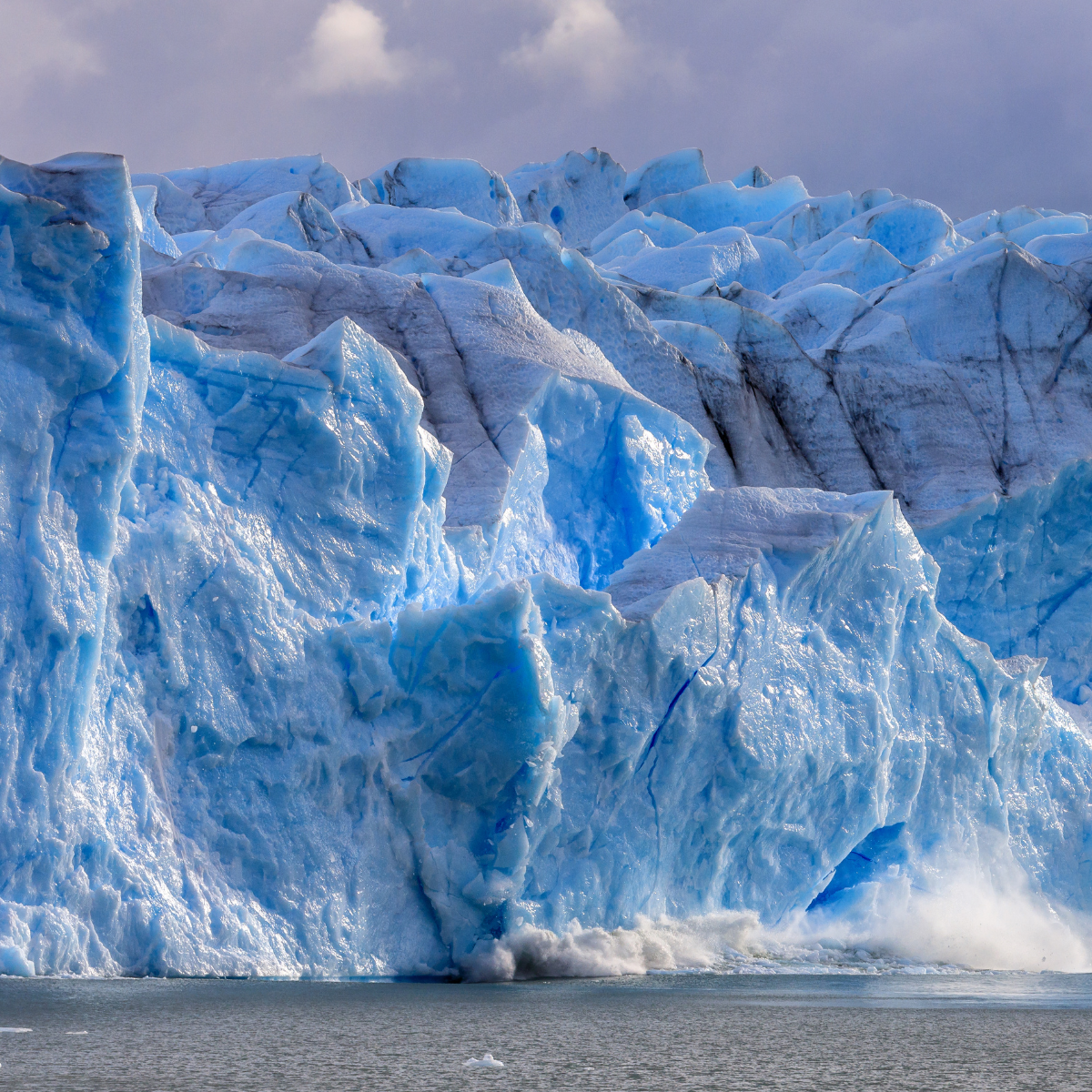
Perhaps one of the most haunting events of the year was the collapse of the Birch glacier in Switzerland, which unleashed a devastating landslide that destroyed Blatten village and claimed the life of a shepherd. This was not merely a natural disaster; it was a symptom of a destabilizing planet where glaciers melt at unprecedented speed and long-frozen mountainsides give way. For decades, we spoke of such collapses as theoretical risks; in 2025, they became a lived reality.
Signs of Environmental Progress and Policy Impact
Yet amid this turmoil, 2025 also offered genuine environmental progress, quiet victories that often went unnoticed beneath headlines of conflict and disaster, but which matter profoundly for the long-term health of our planet.
Across Europe, greenhouse-gas emissions and air pollution continued to decline, according to the European Environment Agency. This incremental improvement reflects years of policy investment, innovation, and collective effort. While biodiversity and ecosystems remain in critical condition, these emissions reductions represent tangible evidence that determined environmental policy can make a measurable difference.
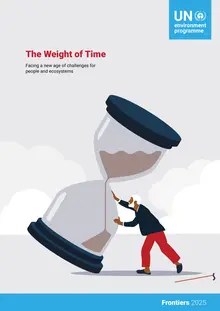
The United Nations Environment Programme’s Frontiers 2025 report marked an important shift from reactive crisis management to proactive environmental risk awareness. By identifying emerging threats early, before they escalate into global catastrophes, the world takes a step toward a more anticipatory and resilient model of environmental governance. Prevention, long neglected in global climate strategy, is beginning to take root.
Another hopeful development has been the growing global recognition of environmental justice. There is a rising acknowledgement that climate change does not strike evenly. It disproportionately harms poorer nations, Indigenous populations, and marginalized communities, those with the least responsibility for emissions and the fewest resources to respond. Throughout 2025, this understanding gained political and public traction. Environmental sustainability is increasingly being framed not only as a technical issue, but as a question of equity, rights, and justice.
The Overlooked Environmental Cost of War
However, one of the most troubling concerns of the year has been the global return to conflict and the resurgence of war as a defining force of international relations. The world in 2025 saw escalating geopolitical fractures, ongoing wars, and worsening humanitarian crises. The environmental toll of these conflicts is staggering, and yet too often overlooked.
Studies released this year show that modern warfare generates emissions and ecological destruction on a scale comparable to that of small nations. Beyond the immediate human suffering, wars poison soil and water, decimate biodiversity, and release enormous quantities of carbon into the atmosphere. Unfortunately, environmental harm is rarely accounted for in peace negotiations or post-conflict reconstruction. It remains invisible in transitional justice frameworks, even though environmental recovery is inseparable from long-term human recovery.
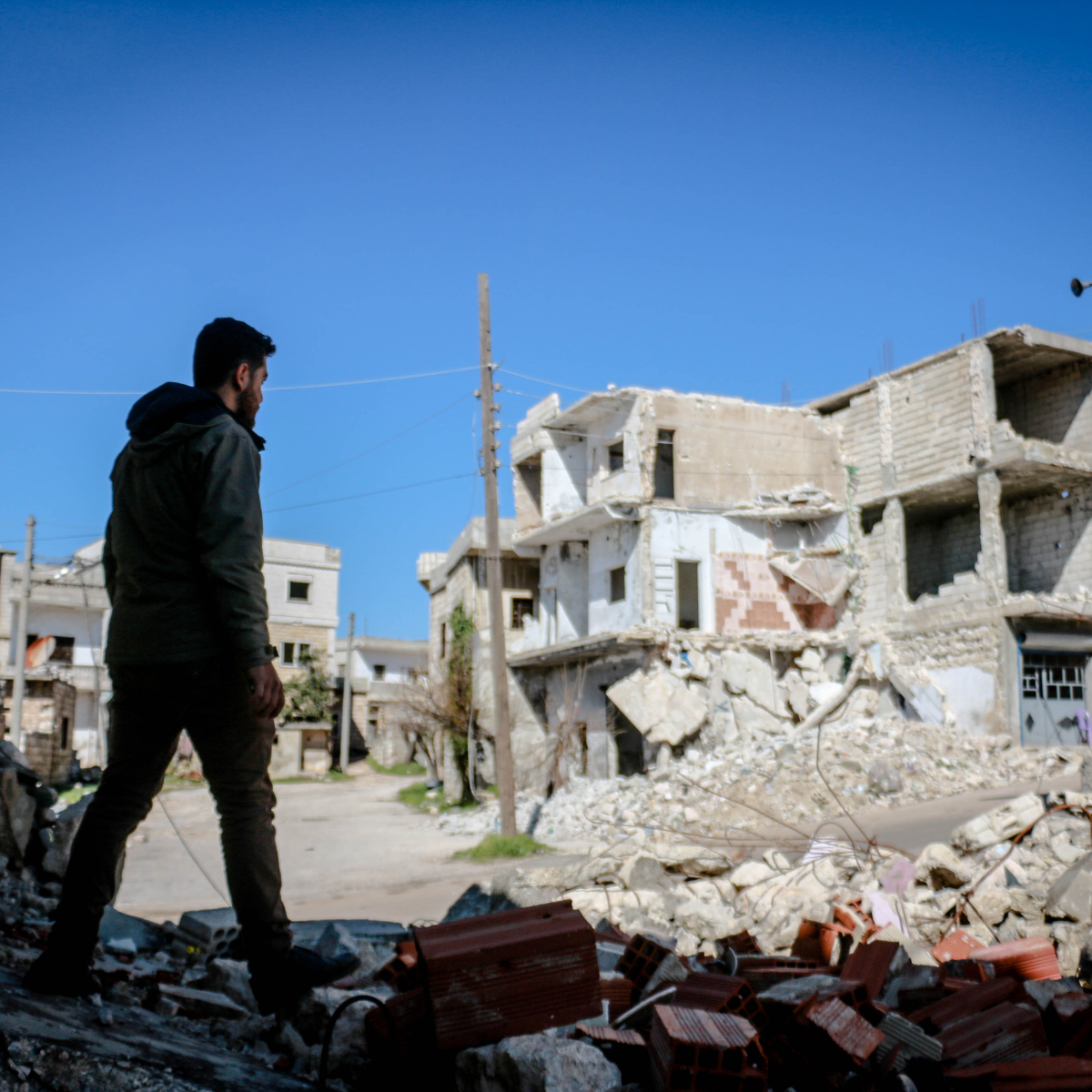
In 2025, it became clear that environmental sustainability and peace cannot be separated. A planet pushed beyond ecological limits is more prone to conflict. And conflict, in turn, accelerates environmental degradation. The two crises reinforce each other, creating a dangerous feedback loop that we must break.
Hope and Determination for 2026
Despite these grim realities, I remain hopeful as we look ahead to 2026.
My hope for the coming year is anchored in the conviction that we must strengthen the link between environmental stewardship and peacebuilding. Environmental restoration should be recognized not as a secondary concern but as part of the core architecture of post-conflict justice. I also believe 2026 must be a year of investment in early-warning systems, community resilience, and climate adaptation, particularly for the most vulnerable populations. These communities must not only be protected; they must be heard.
I hope that international cooperation, fragile yet essential, continues to grow. The challenges we face are global. The solutions must be too. The environmental wins of 2025 demonstrate that multilateral action, though often slow and difficult, can yield real results.
Finally, I hope we nurture the human element of sustainability. Our ability to build a liveable future depends not just on technology or policy, but on our collective willingness to value the planet and one another. That requires compassion, courage, and imagination.
Carrying the Lessons of 2025 Into the Future
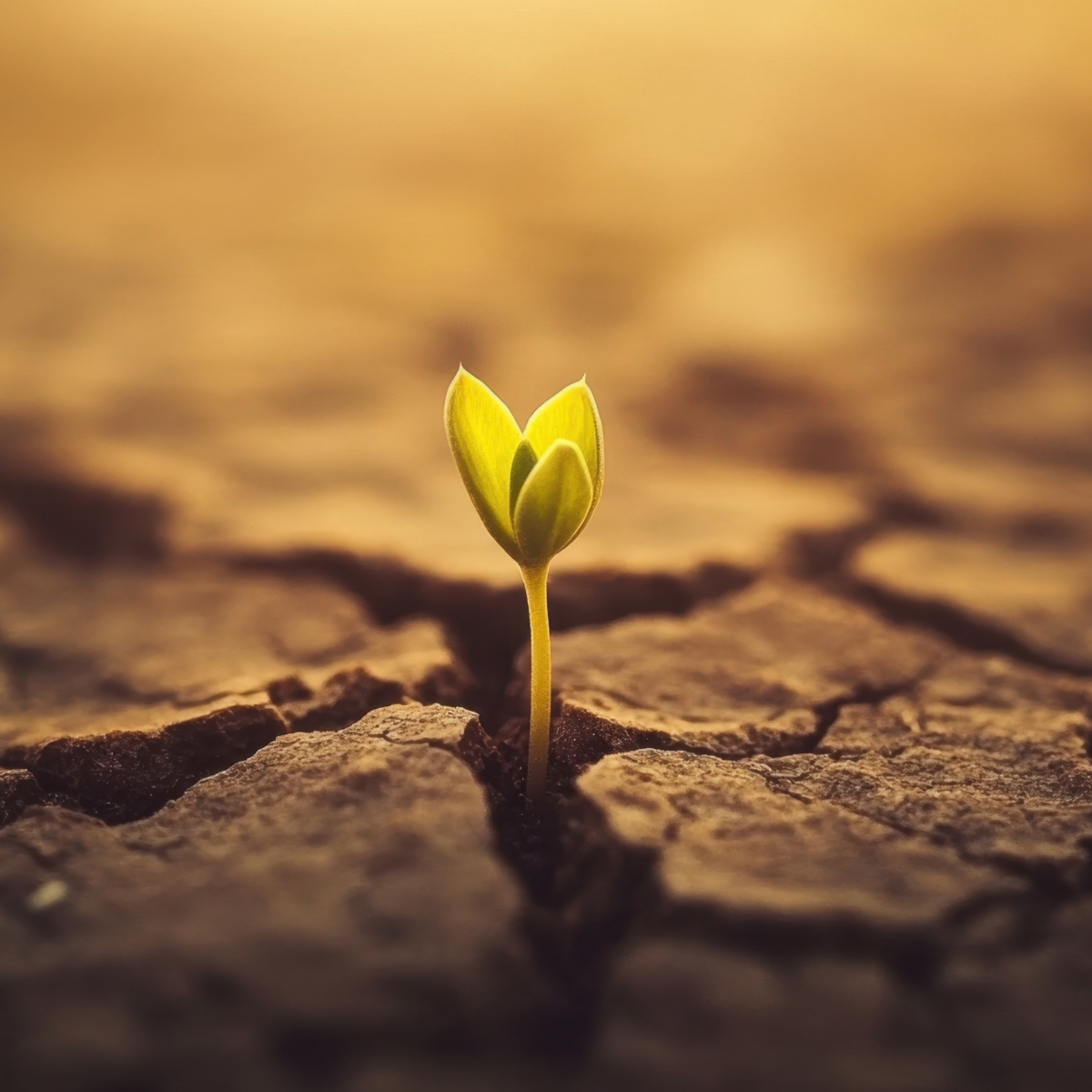
As I reflect on 2025, I see a world battered but not broken. A world uncertain but full of possibility. For all the heartbreak, there have been seeds of hope, seeds we must tend carefully in 2026. If we choose cooperation over conflict, justice over indifference, and action over delay, then the coming year can become more than a response to crisis, it can be a decisive step toward a different kind of future. A future where the lessons of 2025 are not filed away as another collection of tragic headlines but are transformed into catalysts for real systemic change.
In 2026, I hope we find the courage to scale what works, to abandon what no longer serves us, and to weave environmental care into every aspect of governance, business, and community life. I hope we treat peace not as an abstract diplomatic goal but as a living, daily practice that protects both people and the planet. And above all, I hope we rediscover a sense of shared responsibility, because the climate does not recognise borders, and neither does our moral obligation to one another.
If 2025 showed us the consequences of delay, then let 2026 show us the power of determination. Let it be the year where we move decisively, compassionately, and collectively toward a more stable, fair, and sustainable world. The window for meaningful change is still open. Our choice now is whether we step through it.
A 2025 Reflection by Raquel Noboa 💚
Author