EmpCo 2026: Evolving Green Marketing
Feb 13, 2026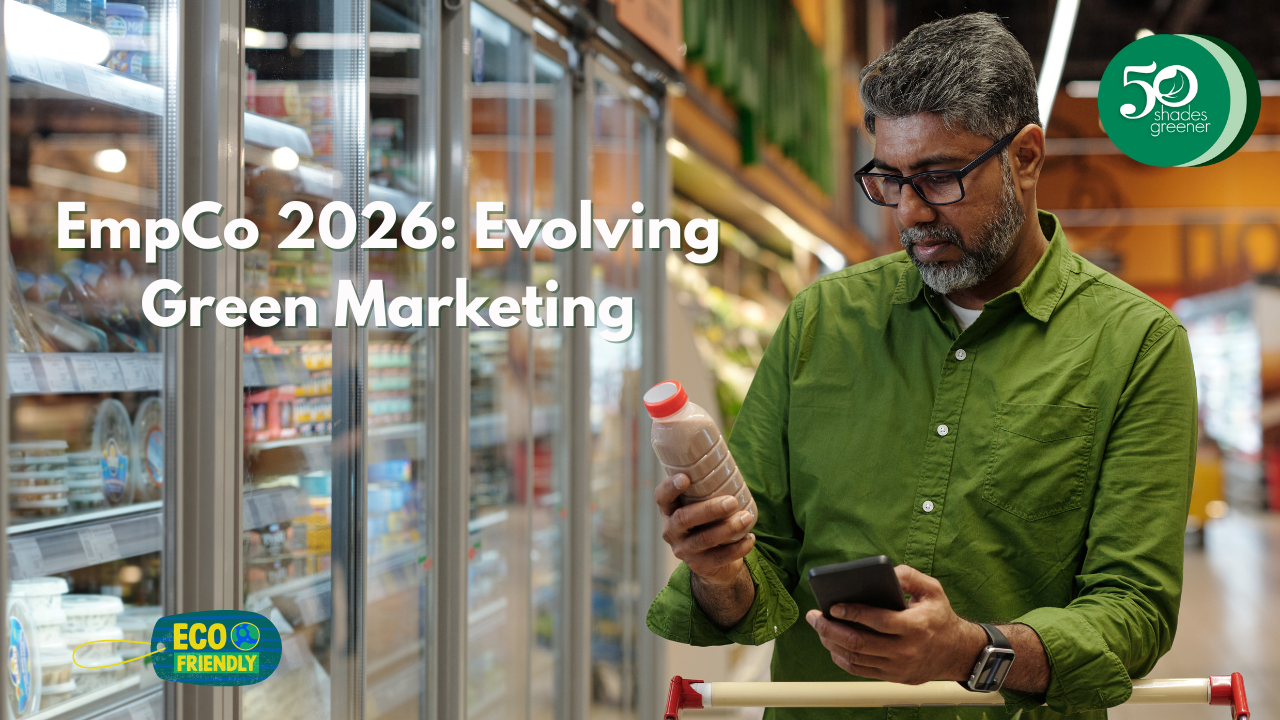
The European Union Empowering Consumers for the Green Transition Directive 2024/825 (thankfully shortened to EmpCo) is a big step in EU’s plan to make sustainable choices easier, transparent and less confusing for consumers. It changes two core EU consumer laws so that green claims, product durability and repair options are treated as essential consumer rights, not just marketing extras. Think of it as EU finally saying to companies ‘If you’re going to talk green, then you have to act green too’. If you’ve ever stood in a shop aisle staring at five different “eco” products wondering which one is lying the least, you’re not alone.
What is it?
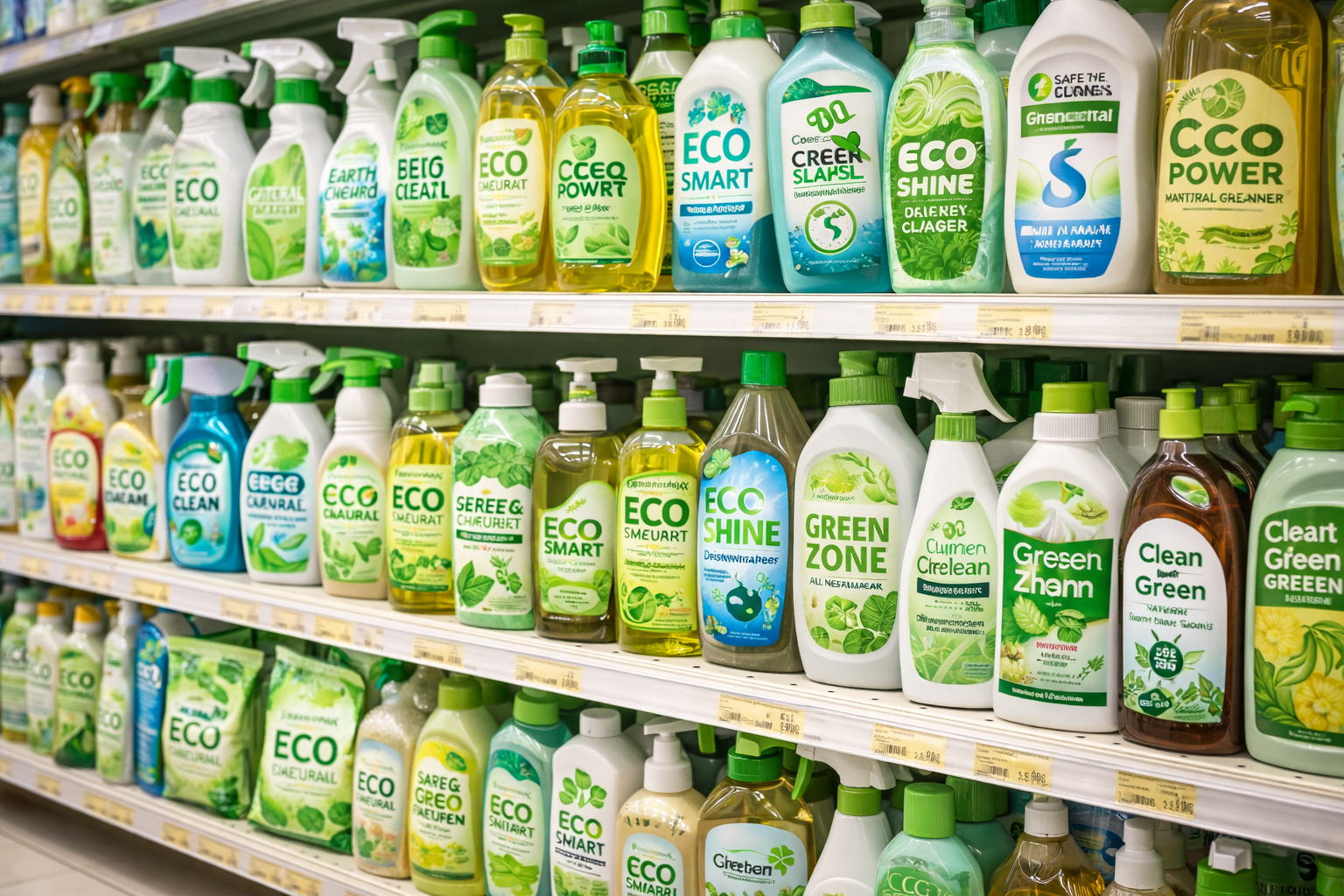
If you have ever stood in a shop staring at products that claim to be ‘eco-friendly’, ‘sustainable’, or ‘green’, then EmpCo is for you. It’s a new EU law designed to empower consumers during green transition. Basically, it’s about making sure sustainability claims aren’t just pretty words on a box.
In simple terms, it does three main things:
- Addresses greenwashing and vague environmental claims.
- Makes information about product durability and repair clearer.
- Gives you more trusted tools (like labels and certification) when you chose products or services.
The idea behind this is simple, if the EU wants people to buy greener products, those products actually have to be greener – marketing has to be honest, specific and understandable. EmpCo is here to separate green heroes from the greenwashed zeroes.
Bye-Bye vague ‘green’ claims
One of the most visible changes is environmental claims in marketing and on packaging. No more “just trust us, it’s green” marketing.
- Generic claims like ‘environmentally friendly’, ‘green’, ‘sustainable’ or ‘climate friendly’ are only allowed if the business can back them up with solid proof and recognized evidence.
- Companies can’t claim that they or the product is ‘climate neutral’ or ‘carbon neutral’ if that is based only on paying carbon offsets instead of actually reducing emissions.
- Future promises like ‘net zero by 2040’ must be backed by a real, detailed and verifiable plan, with clear interim targets and public reporting.
Why does this matter? Because many people genuinely want to do the right thing, but it’s practically impossible when every other product claims to be ‘green’.
Labels that actually mean something
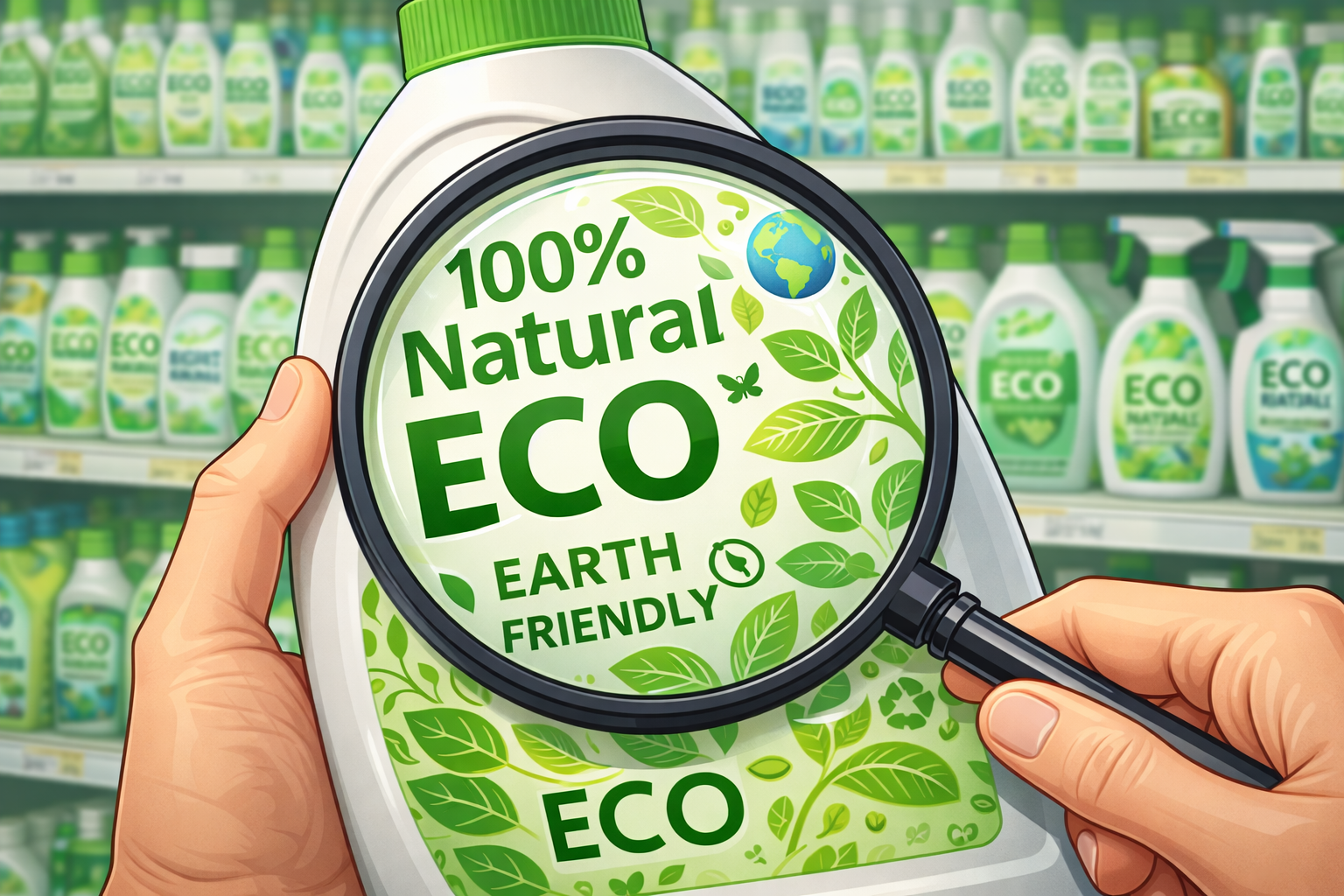
Over the last few years, we have seen an explosion of ‘green’ logos and labels, leaves, trees, earth and friendly seals of approval. Some are legit and well checked, others are… more decorative (greenwashing, anyone?).
EmpCo says sustainability labels should either be backed by an independent certification scheme or be created by a public authority. Homemade or self-invented labels, with no real verification behind them are strongly discouraged or prohibited, especially when they mislead consumers into thinking the product is officially approved. EmpCo wants labels that stick to the facts, not just stick it on the packaging.
This is very important when it comes to Business Certification (Hospitality businesses be aware!). If you are displaying sustainaibility certification at your property, it is your responsability under EmpCo, to ensure the certififcation scheme is fully compliant, otherwise, you are liable and the penalties are hefty...if you have not received an audit in the past 2 years, ask your certification provider why, if your auditor is the owner of the certification scheme, thats also a problem...If you want further information on Certification, whats allowed and not allowed, get in touch with us on [email protected]
For a consumer, this means that slowly there should be less random ‘eco-stamps’ and more trustworthy and standardized labels. The long term goal is that when you see a ‘green’ label, you can trust that someone has actually checked the claims.
Products that last longer (and tell you how long)
EmpCo doesn’t just focus on marketing and packaging, it also looks at how long products last and how transparent the companies are being about it’s durability. Buying something that lasts is one of the greenest choices you can make. A product that breaks early and can’t be repaired is bad for your wallet and for the environment. Anyone else have that appliance that mysteriously dies just after the warranty runs out?
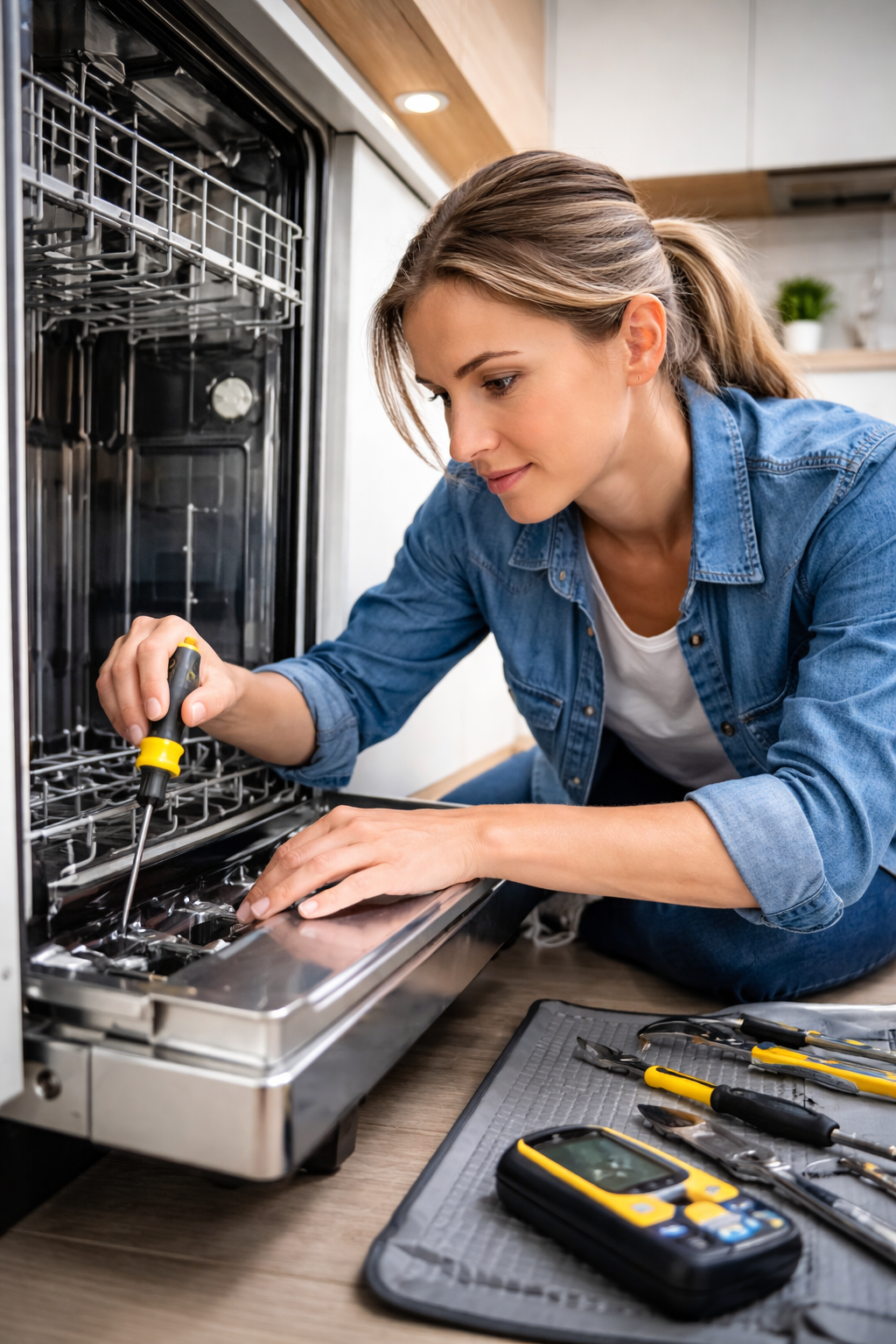
Under EmpCo, you will now find:
- Clearer information about how long a product is expected to last, including any commercial durability guarantees from the manufacturer.
- Better visibility of guarantees so you can compare products quickly. For example, one kitchen appliance might come with a five year commercial guarantee while another with just one.
- Rules to address practices that make products wear out faster than necessary, like software updates that slow down a device or restrictions on using third party spare parts..
Making repair the easier option
Repair is a big piece of the green transition puzzle. If people can repair products easily and affordably, fewer items end up in a landfill while keeping the products in use longer. It makes it much harder for companies to quietly design products that are technically “repairable” but impossible (or more expensive) to fix. Over time, the motto will shift from ‘buy, break, bin, repeat’ to ‘buy, use, fix, reuse’.
EmpCo says:
- You should be told if spare parts are available, for how long, and at what cost.
- You should know if the product can be repaired by independent repairers or only by the manufacturer’s own service centers.
- Instructions for maintenance and basic repairs should be available where relevant.
Comparison tools
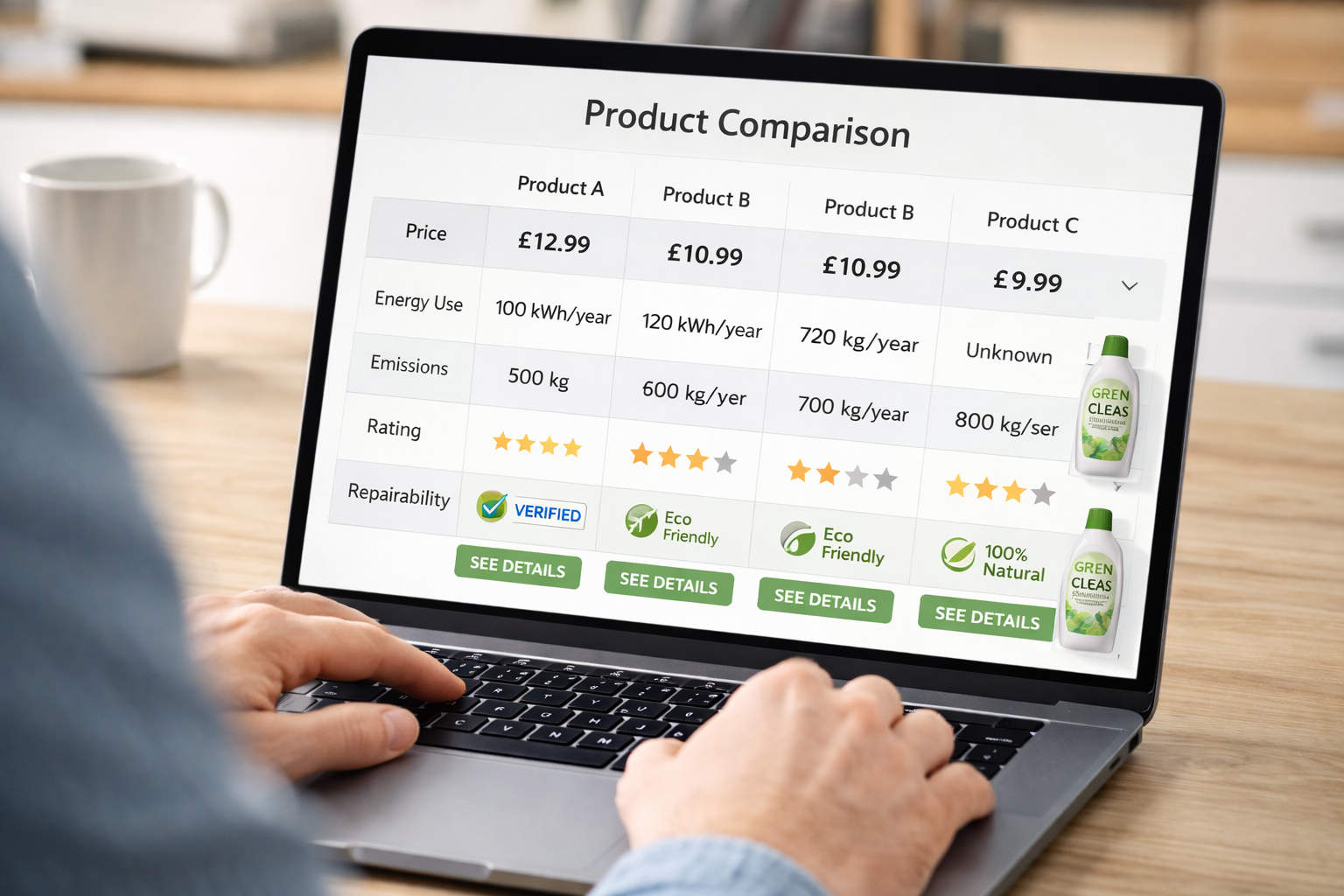
Many people use online comparison tools to choose between energy tariffs, phone contracts and sometimes even ‘green’ products. And we love a comparison site, until we realise we’re not entirely sure what half the criteria actually means. EmpCo recognises the importance of comparison and brings some new rules to the table, especially if a comparison tool includes environmental or social criteria. The provider needs to explain:
- What products and suppliers are included (and what’s missing)
- Which criteria are used for comparison (emissions, energy use, recyclability)
- Where the data comes from and how often it is updated.
This doesn’t mean every comparison tool becomes reliable, but it does mean less mystery and a clearer idea of what ‘best for the planet’ actually means.
What EmpCo means for businesses
For honest, sustainability driven companies, this can actually be good news. It levels the playing field by making it harder for competitors to hide behind clever green slogans and leafy logos.
Companies will need to:
- Audit their marketing and remove or rework vague green claims.
- Stop relying on offsetting as a shortcut to ‘climate neutral’ branding.
- Invest in better product design, durability, repairability and transparent supply chains.
- Review labels, icons and logos to ensure they are based on credible schemes.
- Adjust online comparison tools and product information pages based on the new requirements.
If you care about where your money goes and what kind of future you’re buying into, now is a good time to start paying closer attention to labels, guarantees and repair options. You will start to see the real effects as EU members bring these rules into their national laws and enforcement ramps up. It won’t be instant, but the heading is obvious: sustainability claims must be real, not just pretty icons on a box. Because in the new green economy, looking sustainable won’t be enough. Companies will have to prove it.
What’s next?
Want to build confidence around sustainability rules and reporting?
Or just talk things through with others facing the same challenges?
Explore our practical courses, or join our weekly SustainABILITY Hub.
💚 FSG Team
Author