
Energy Bills: The Junk Drawer of Your Business
May 14, 2026
Most organisations treat energy bills the same way people treat that random kitchen drawer full of old batteries, takeaway menus, and mystery cables.
You assume everything important is in there somewhere… but nobody really wants to open it.
Every organisation uses energy. Every organisation pays for it. The invoice arrives, Finance approves it, and everyone moves on. Until, of course, someone asks why costs suddenly increased or how much energy the organisation is actually using.
The funny thing is, most companies already have the answers. They are just buried under spreadsheets, invoices, email chains, and a general fear of anything involving the word “tariff.”
The good news is that energy management does not have to be like decoding complex puzzles. It can actually be simple, practical, and surprisingly useful.
First Things First: What Counts as “Energy”?
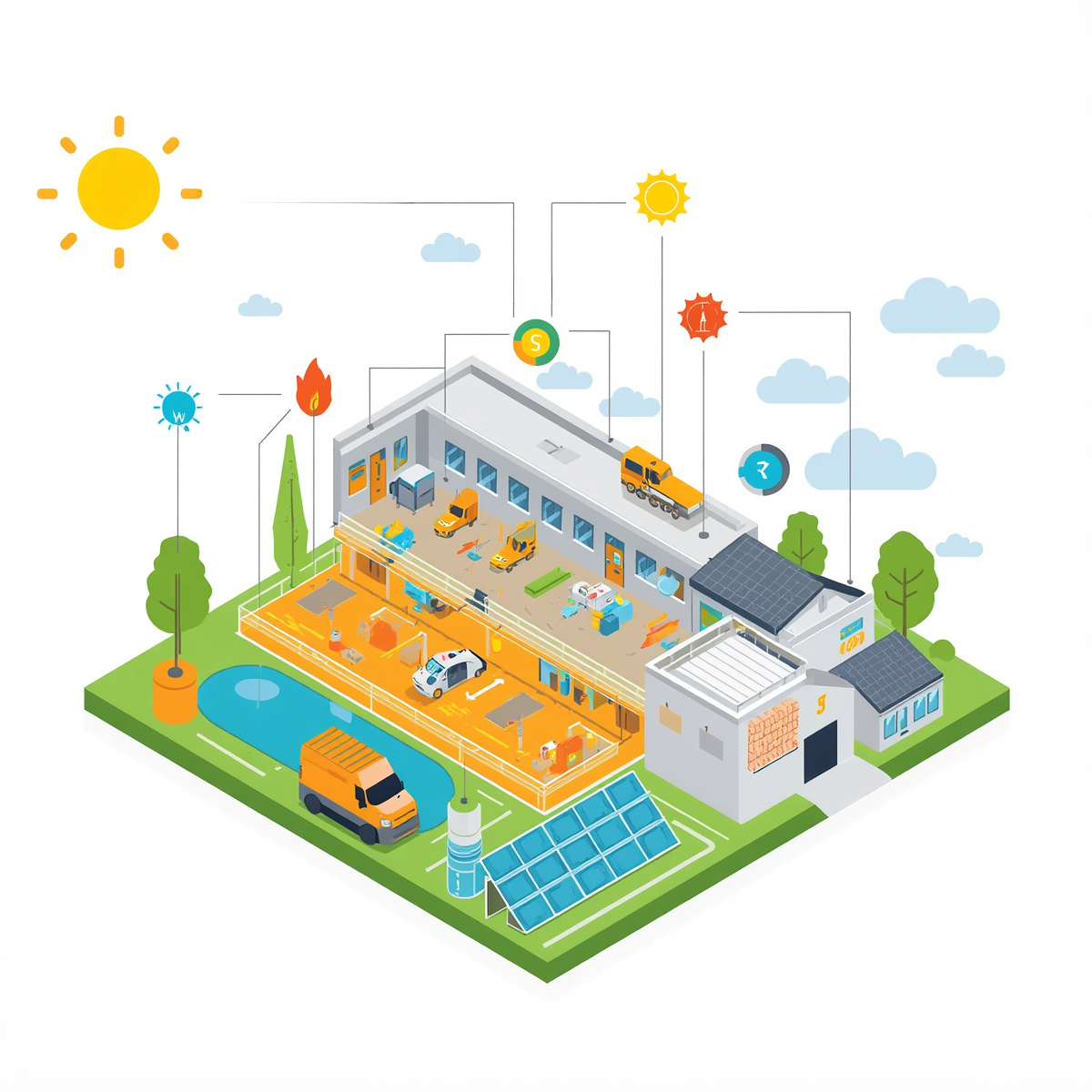
When people hear the word “energy,” they often think only about electricity. Lights on. Computers running. But organisational energy is much bigger than that.
For most businesses, energy includes:
- Electricity
- Natural gas
- Heating oil
- Diesel for company vehicles
- Backup generators
- Even solar panels on the roof quietly doing their thing
Think of your organisation like a giant house share.
Everybody is using energy, nobody knows who left the lights on, and somehow the bill keeps getting bigger.
What energy are we actually using?
And surprisingly, this is where many organisations discover little “energy plot twists.”
Maybe there is a forgotten storage unit with its own meter, electricity bundled into rent or a backup generator nobody remembered existed since 2019. It happens more often than you would think.
Now comes the really fun part: finding the data.
If you imagine energy data neatly organised in one tidy folder labelled “Important Energy Information,” we regret to inform you that this folder does not exist.
Instead, energy data usually lives in organisational chaos:
- Finance has some invoices
- Facilities have meter information scribbled somewhere
- Procurement has supplier contracts
- Operations know when equipment runs
- And supplier portals exist in a universe world nobody has logged into for years
Honestly, collecting energy data in some companies feels like assembling IKEA furniture without instructions. You know all the pieces must exist somewhere… but emotionally, you are not having a good time.
The important thing to remember is this: you do not need perfect data to get started.
Most organisations delay energy tracking because they think they need fancy systems, expensive software, or an energy expert named Oliver with multiple spreadsheets open at all times.
A shared folder and a simple tracker can already make a huge difference.
Energy Bills Are Actually Telling You a Story
Your energy bill is one of the most useful business documents you already have.
It tells you:
- how much energy you used
- what you paid
- and when you used it
That is valuable information.
The key figure to focus on is usually kWh — kilowatt-hours.
Think of kWh like calories on a food label. You may not fully understand the science, but you know: more numbers usually mean more consumption.
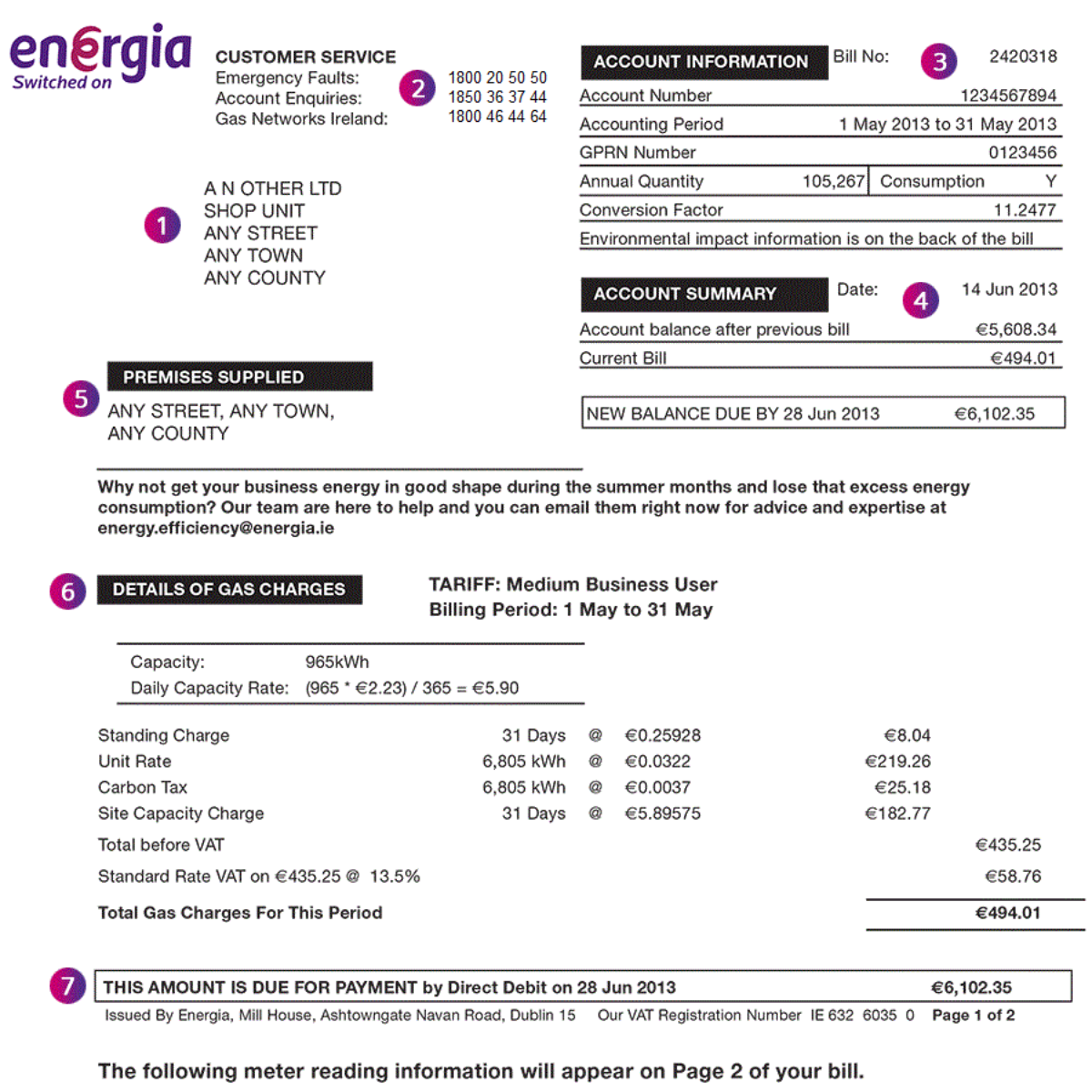
The bill also shows:
- unit rates
- standing charges
- taxes
- and sometimes surprise charges that somehow feel personal
One month your bill is manageable. The next month it looks like the building has secretly been mining cryptocurrency overnight.
Which brings us to tariffs.
Tariffs: The Reason Your Energy Bill Has Mood Swings
A tariff is basically the pricing system behind your energy bill.
Or to put it more simply:
the rules of the game.
And just like airline tickets, gym memberships, or streaming subscriptions, timing matters.
Two organisations can use exactly the same amount of electricity and still pay completely different amounts.
Why?
Because one has a better tariff.
Some businesses are on fixed tariffs, where prices stay stable.
Others are on variable tariffs, where prices bounce around like a toddler on a trampoline.
Then there are time-of-use tariffs, where electricity costs more during busy periods and less during quieter hours.
This is where organisations accidentally spend money without realising it.
For example:
running energy-heavy equipment during peak hours is like deciding to do your weekly grocery shop in the middle of Christmas Eve panic.
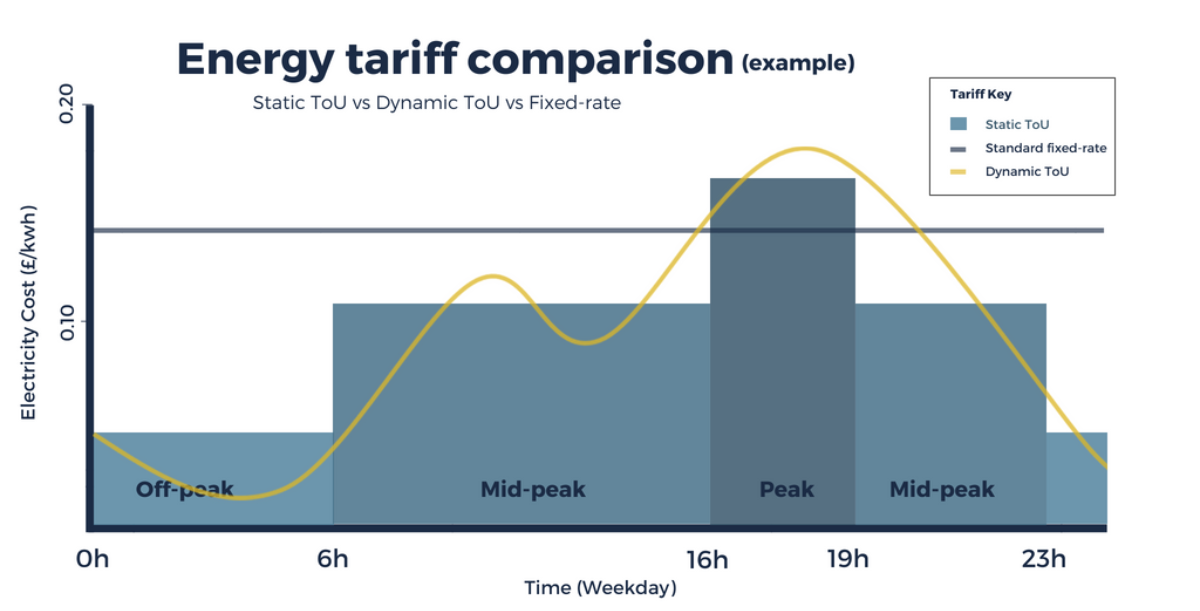
Sometimes small operational changes can reduce costs immediately:
- running equipment later in the evening
- switching systems off overnight
- or simply noticing what is running when nobody is there
Because yes, offices absolutely love using electricity when no humans are present.
The Biggest Myth About Energy Management
Here is the biggest misconception:
people think energy management is about complicated sustainability reports and impossible spreadsheets.
It is not.
At its core, energy management is really about paying attention. That is it.
It is noticing:
- unusual spikes
- missing bills
- equipment left running
- or sites using far more energy than others
It is asking simple questions like: “Why is this building using electricity all weekend when nobody is inside?”
Start Small — Seriously
One of the best things organisations can do is stop trying to solve everything at once.
- Track your site over the month, the kWh used and the cost. That alone can reveal patterns surprisingly quickly.
- Assign clear ownership: One of the biggest reasons energy systems fail is lack of responsibility. An energy landscape with responsibilities mapped out creates consistency.
- Focus on the easy wins first: switching off unused equipment, replacing old lighting, adjusting operating hours, or identifying energy waste.
Energy Management Is About Decisions
At its core, energy management is not really about data. It is about making better decisions.
When organisations understand the basics of energy management, they can begin identifying inefficiencies, reducing unnecessary spending, and supporting sustainability goals with confidence.
Are you ready to stop guessing your way through energy management? Our Energy Made Simple course is designed to help you get started =, without the jargon, complexity, or spreadsheet-induced panic.
In just one hour, you will learn how to understand your organisation’s energy use, find and organise your data, make sense of your bills and tariffs, and turn all of that into practical action.
Think of it as your step-by-step guide to making energy management simpler, smarter, and significantly less intimidating.
👉 Join Energy Made Simple and start turning energy data into better decisions.
💚 FSG Team
Author