Green Intentions, Grey Areas: 50 Shades of Sustainable Tourism
May 29, 2026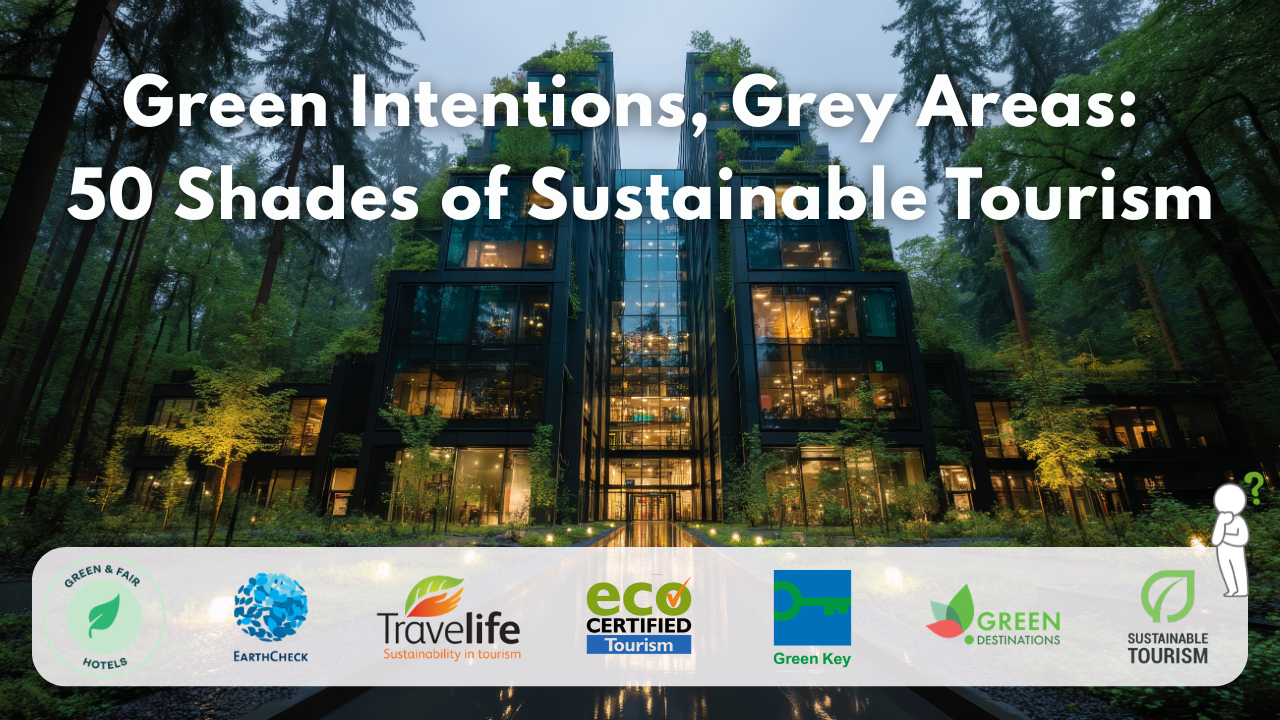
Somewhere along the way, sustainability in tourism stopped being just something businesses did and became something they had to say they were doing.
Hotels market themselves as eco-friendly. Booking platforms add sustainability badges and labels to listings. Destinations brand themselves as “green.” Travellers actively look for sustainable accommodations.
But ask a simple question — what actually counts as sustainable?
That lack of clarity sits at the heart of the problem.
Over the past year, as part of my Master’s research, I’ve been looking at sustainability communication and greenwashing in tourism and hospitality, particularly the space between genuine environmental action and the way those efforts are communicated without clear regulation. What stands out isn’t just the risk of greenwashing. It’s how inconsistent, cautious, and fragmented sustainable communication across the whole industry has become.
Because right now, most businesses are expected to talk about sustainability, but there is still no shared language for doing it credibly.
Sustainability has become fluent in clichés
Most people now recognise the language of “eco-friendly” tourism immediately:
- Eco-conscious
- Green hotels
- Kind to the planet
- Committed to sustainability
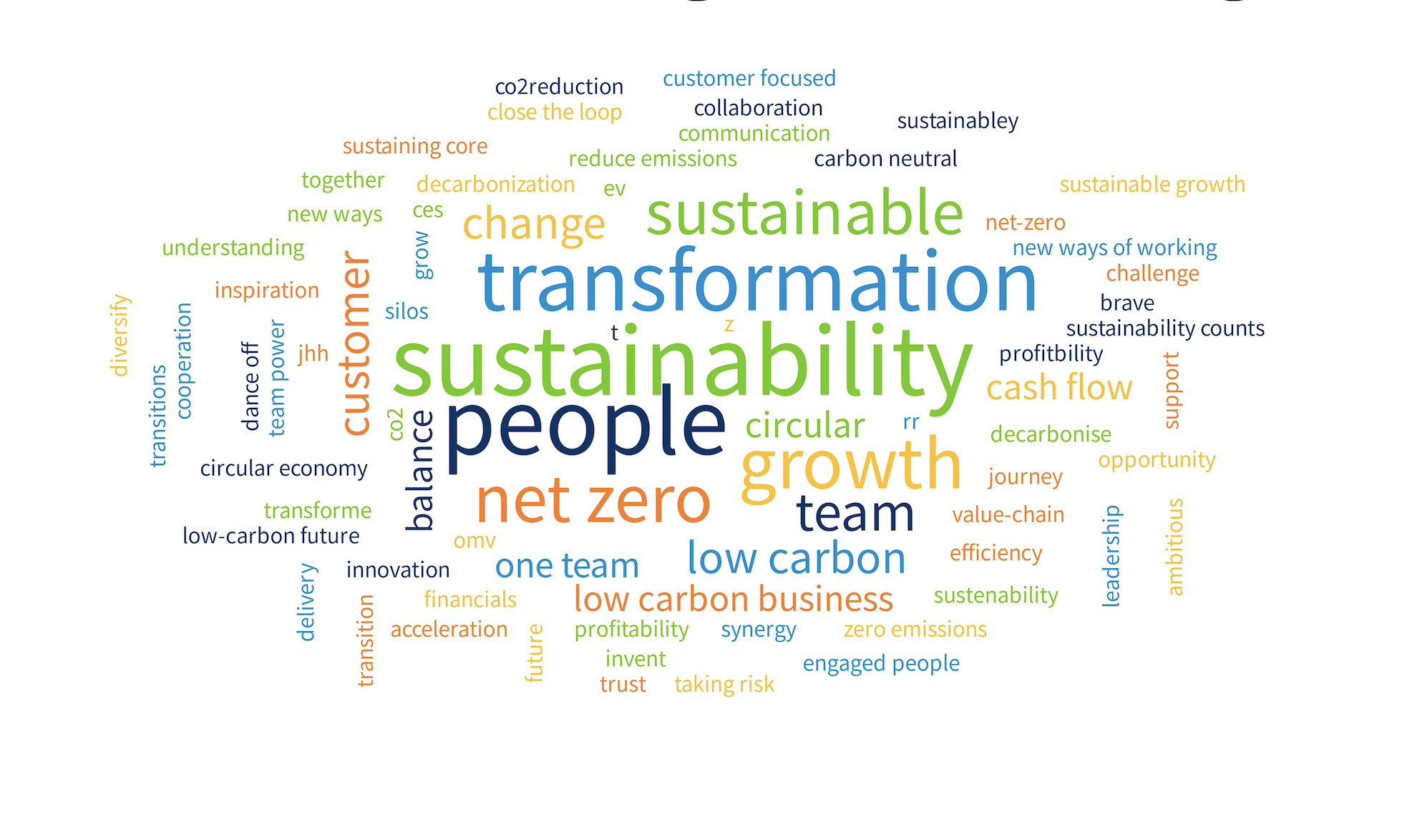
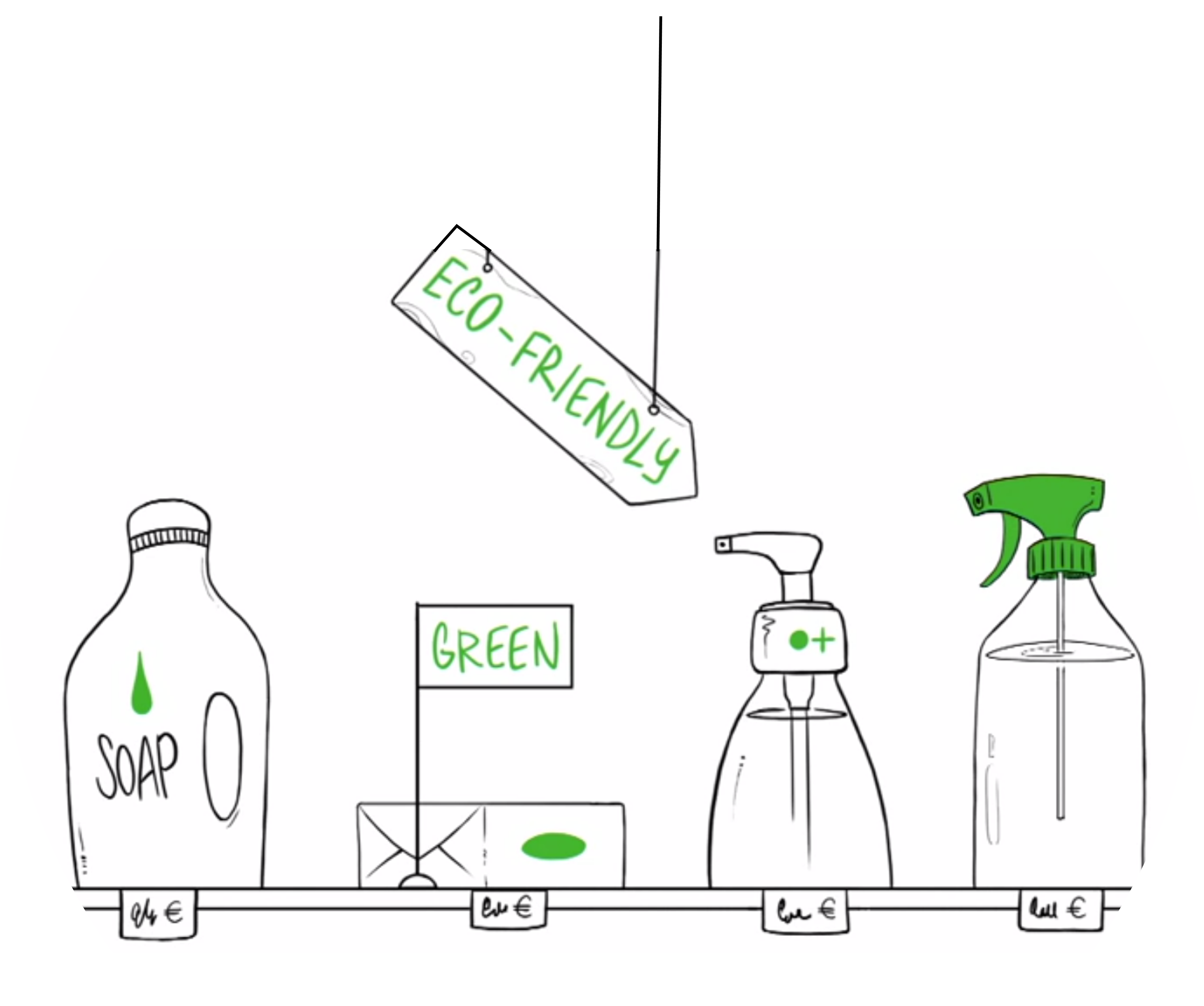
The problem is that these phrases have been used so broadly that they’ve started to lose meaning. They signal intent, but not substance.
If one hotel’s “sustainability” means removing plastic straws, while another is investing in energy systems, waste reduction, and supply chain changes, but both use the same language.
Eventually, the language stops being useful.
One of the clearest patterns is that consumers are becoming more sceptical — not because they don’t care about sustainability, but because they’re tired of trying to decode what these claims actually mean. And honestly, that reaction makes sense.
The issue is that sustainability communication has become too vague to trust.
The industry moved faster on messaging than measurement
Tourism businesses are under real pressure to communicate sustainability:
- Consumers expect it.
- Platforms promote it.
- Destinations market it.
- Investors increasingly ask about it.
As a result, sustainability communication accelerated quickly, but the systems that should support that communication haven’t kept up.
What’s interesting about this is that many businesses aren’t necessarily trying to mislead consumers. In fact, a lot of them are genuinely trying to improve their environmental performance. The challenge is that the rules around communicating those efforts are still fragmented, inconsistent, and unclear.
That gap creates two very different reactions:
- Some businesses overclaim
- Others say very little because they fear being accused of greenwashing
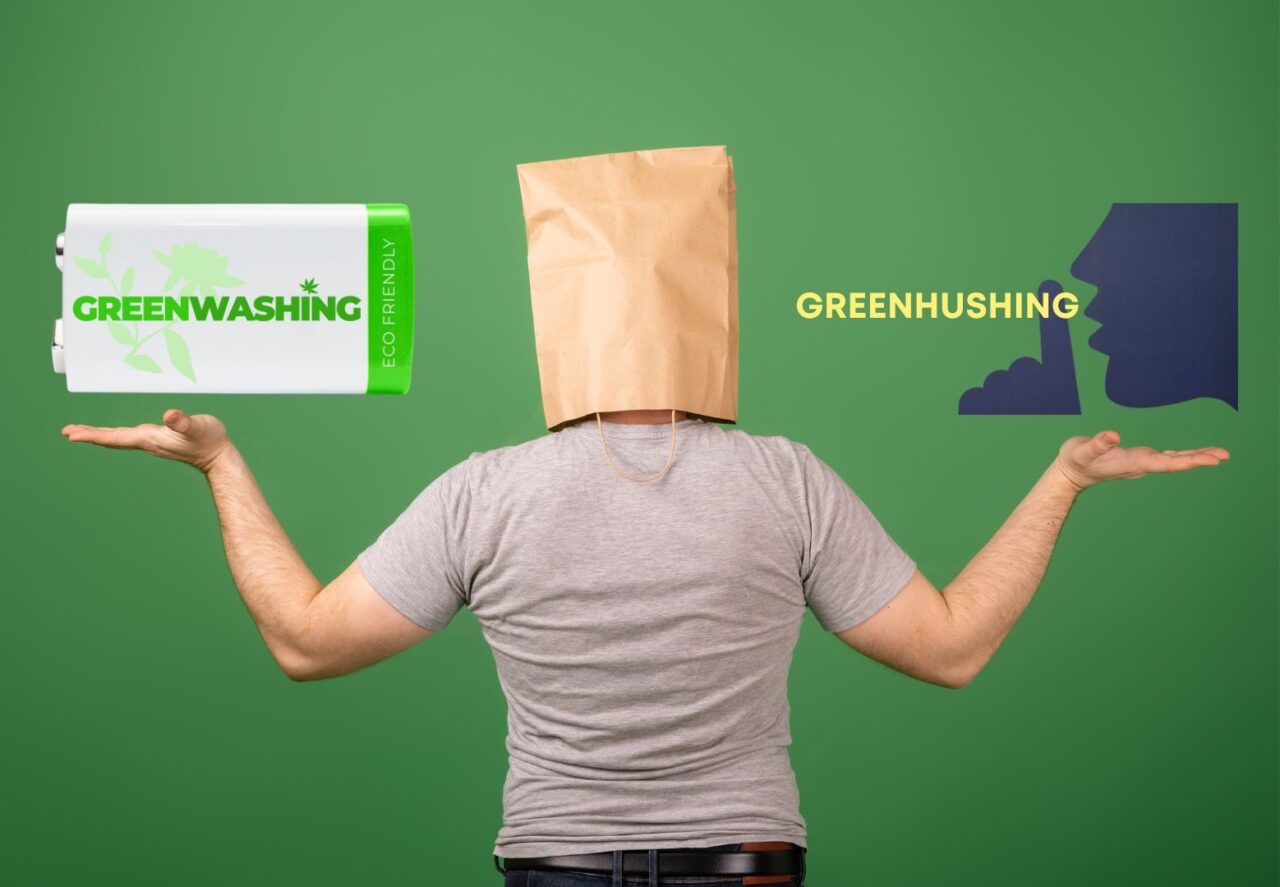
This quitter reaction is often referred to as “greenhushing” - when companies deliberately under-communicate legitimate sustainability work because they don’t feel confident enough in the language, data, or standards behind it.
And it matters.
Because when credible efforts remain invisible, and vague claims dominate the surface, trust erodes from both directions.
Booking platforms are quietly shaping the story
One thing we don’t discuss enough is how much online booking platforms now influence sustainability communication.
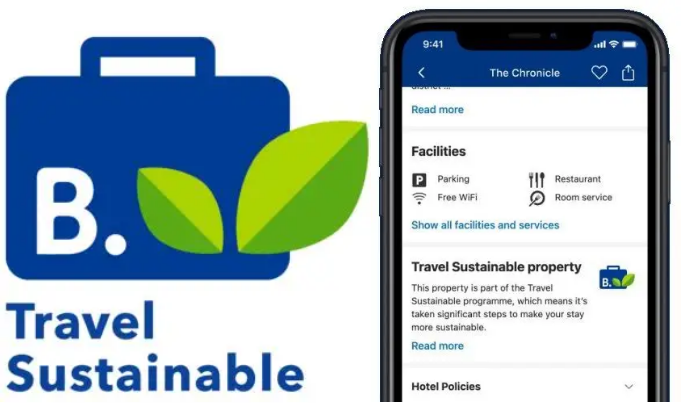
For many travellers, booking sites are the first (and sometimes only) place they encounter sustainability information about a property. A leaf icon on Booking.com or a platform generated sustainability score can flatten major differences between businesses into a single visual cue.
Which means these platforms are no longer just intermediaries, they’re acting as sustainability gatekeepers.
The issue isn’t that these tools exist — it’s that they often appear without context. Users are rarely shown:
- How information was verified
- What criteria were used
- Whether the claim reflects meaningful operational change
So vastly different levels of environmental effort can end up looking visually identical. A hotel making small improvements can sit visually beside one making major operational changes, with no meaningful distinction in how that effort is presented.
That’s not just a communication problem; it’s a trust issue.
The deeper issue: There’s no shared definition of credibility
Greenwashing is part of the issue, but it’s not the whole story.
A more fundamental problem is that the industry is trying to communicate sustainability without a shared definition of what credible sustainability communication actually looks like.
That creates a system where:
- Vague language thrives
- Measurable performance gets buried
- Consumers become increasingly sceptical
- Genuinely sustainable businesses struggle to stand out
Meanwhile, regulation is still catching up.
The EU Green Claims Directive aims to bring more structure to environmental messaging by requiring claims to be backed with evidence and verification. In theory, this would shift sustainability communication away from broad statements and toward substantiated reporting.
In practice, delays and uncertainty mean the industry is still operating in an awkward interim phase — where expectations are rising, but enforcement and clarity aren’t fully in place.
The result is a system where nobody is fully sure what counts as credible.
So, what should the industry actually do?
First: stop relying on sustainability buzzwords.
If your sustainability strategy can fit on a tote bag, it’s probably not detailed enough. Consumers don’t necessarily expect perfection, but they do expect clarity.
That means:
- Measurable targets
- Actual numbers
- Timelines
- Evidence
- Transparency about what still isn’t working
Research consistently shows that credibility increases significantly when businesses communicate sustainability through measurable reporting rather than vague claims.
Compare the difference:
Instead of saying: “We are committed to sustainability.”
Say: “We reduced energy use by 18% over two years and are targeting 60% renewable electricity by 2028.”
One is a value statement. The other gives consumers something they can actually evaluate.
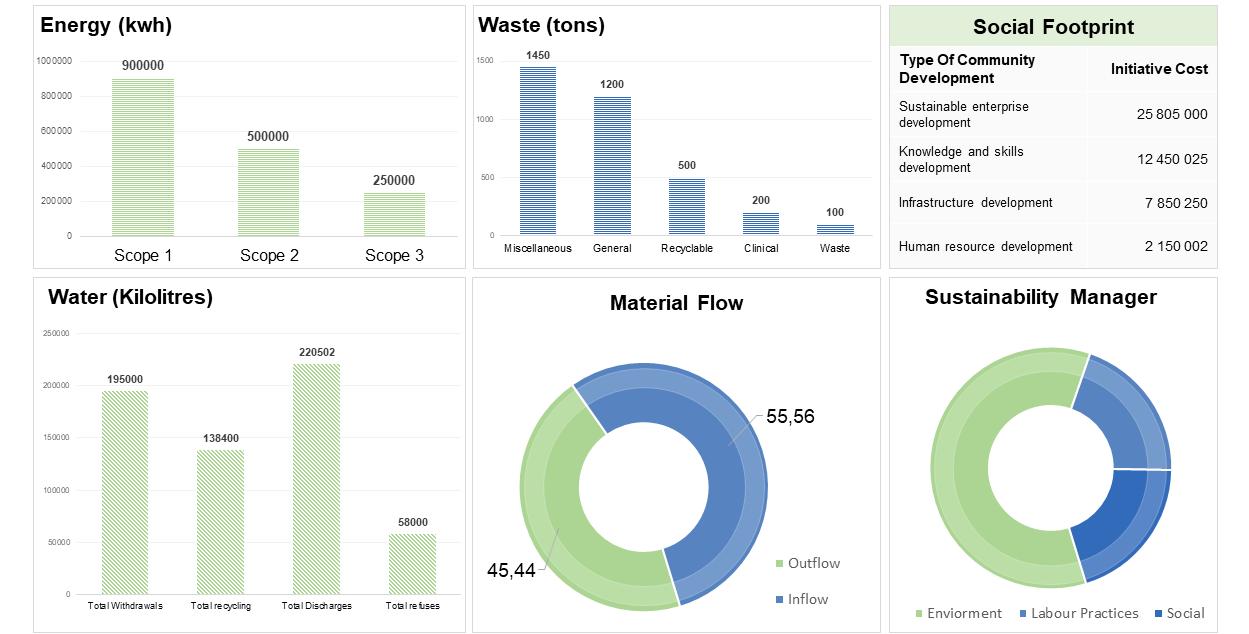
That’s what consumers are increasingly responding to — information they can interpret, not language they have to decode.
Transparency matters more than sustainability theatre
One of the biggest mistakes businesses make in sustainability communication is presenting themselves as if they’ve already solved everything. Consumers don’t believe that anymore. Businesses need to communicate the gaps as well as they progress. The difficult areas matter too.
BE TRANSPARENT.
Saying:
- We’re still working on supply chain emissions
- We haven’t solved water usage yet
- This target is behind schedule
can build more trust than a polished sustainability statement that avoids acknowledging limitations altogether.
Sustainability communication needs to grow up
The tourism industry has reached a point where sustainability can no longer survive on a leaf icon and a reusable straw.
The next stage needs to look different:
- Clearer standards
- Measurable data
- Stronger verification
- More consistency across platforms
- More honest communication about what is and isn’t working
Travellers are paying closer attention now, and increasingly, they can tell the difference between sustainability that is operational and sustainability that is purely aesthetic.
The good news is that many businesses are genuinely trying. But rebuilding trust means moving beyond vague claims and communicating sustainability in ways that are specific, transparent, and backed by evidence.
Otherwise, “sustainable tourism” risks becoming another industry buzzword that sounds impressive but tells consumers absolutely nothing.
If your business is doing the work and wants a credible way to prove it, independent third-party certification can help you communicate sustainability with more confidence — and a lot less greenwashing anxiety. To learn more about sustainability certification for tourism and hospitality businesses, contact us at [email protected] or visit Fifty Shades Greener Sustainability Certification.
👉 Join Hospitality Green Business Certification to communicate sustainability with clarity, credibility, and confidence.
💚 FSG Team
Author