From Training to Impact: Why Sustainability Needs a New Approach
Jun 10, 2026
Most organizations today can confidently say they’ve “implemented sustainability training.” It usually sits somewhere between onboarding modules, annual compliance refreshers, and a few very polished e-learning courses that employees click through between meetings while mentally answering emails.
On paper, this should be enough. If people understand sustainability, what emissions are, how supply chains impact the environment, what the circular economy is, then surely they will start making better decisions.
And yet… somehow, we are still here. Same conversations, same missed targets, same “we are making progress but not quite there yet” updates.
The issue is not that people aren’t learning. The issue is that learning, on its own, was never designed to change human behaviour.
The comforting myth of “if we train people, they will act”
There is a quiet assumption in most corporate sustainability efforts: if people understand sustainability, they will act on it.
It sounds reasonable. It also sounds like something someone says right before real life politely disagrees. So, organizations do what seems logical—they design training modules, roll them out across teams, and track completion rates as a signal that progress has been made.

And to be fair, progress has been made. People do learn. Concepts do land. Awareness does increase.
But awareness is not the same as behavioural change.
Because the real question is not whether people understand sustainability in theory. It is what happens when they return to their actual jobs.
Most sustainability decisions inside organizations are not made in controlled learning environments. They are made in the middle of a normal working day, where conditions look nothing like training scenarios. They happen under time pressure, with incomplete information, competing priorities, and constraints that often have little to do with sustainability at all.
A procurement manager, for example, is not assessing suppliers just through the lens of emission savings. They are balancing cost, delivery timelines, supplier reliability, and internal approvals. All at the same time.
In moments like these, sustainability training stops being the primary driver of decisions. It becomes background knowledge, the thing you vaguely remember while choosing the fastest option that also doesn’t get you yelled at in a review meeting.
Why sustainability training fades so quickly in practice
Even when training is well-designed and engaging, it has a simple limitation: it is episodic.
Employees complete a course, pass an assessment, get the certification, maybe even a nice “congratulations” screen with confetti pop ups and then move on.

The problem is that sustainability does not behave like a one-off topic. It is not something you can finish and return to later. It evolves constantly. With new regulations, shifting technologies, changing supply chains, and rising market expectations.
Consider how much has changed in just the last few years. ESG reporting regulations have expanded, carbon accounting methodologies have evolved, and concepts like Scope 3 emissions have moved from niche sustainability jargon to boardroom priorities. In sustainability, "trained once" can quickly become "outdated sooner than you think." Even when the content remains technically valid, it is rarely reinforced at the moment it is actually needed.
This is where most training programs quietly lose their impact. The issue is not that people do not understand the content, it’s that they do not consistently recall and apply it in real situations.
There is a well-established principle in learning science: without repetition and application, knowledge fades over time. In real corporate environments, where people are constantly switching between tasks, priorities, and tools, that fading happens even faster.
So, while organisations can report strong training completion rates, those numbers rarely translate into consistent behavioural change.
The deeper problem: Sustainability is not a knowledge problem
A common misconception is that sustainability is fundamentally an educational problem. If people understood sustainability enough, they would naturally make better decisions.
In fact, the opposite is happening. Organizations today need more sustainability capability than ever before. Demand for green skills is growing faster than the supply of people who possess them.
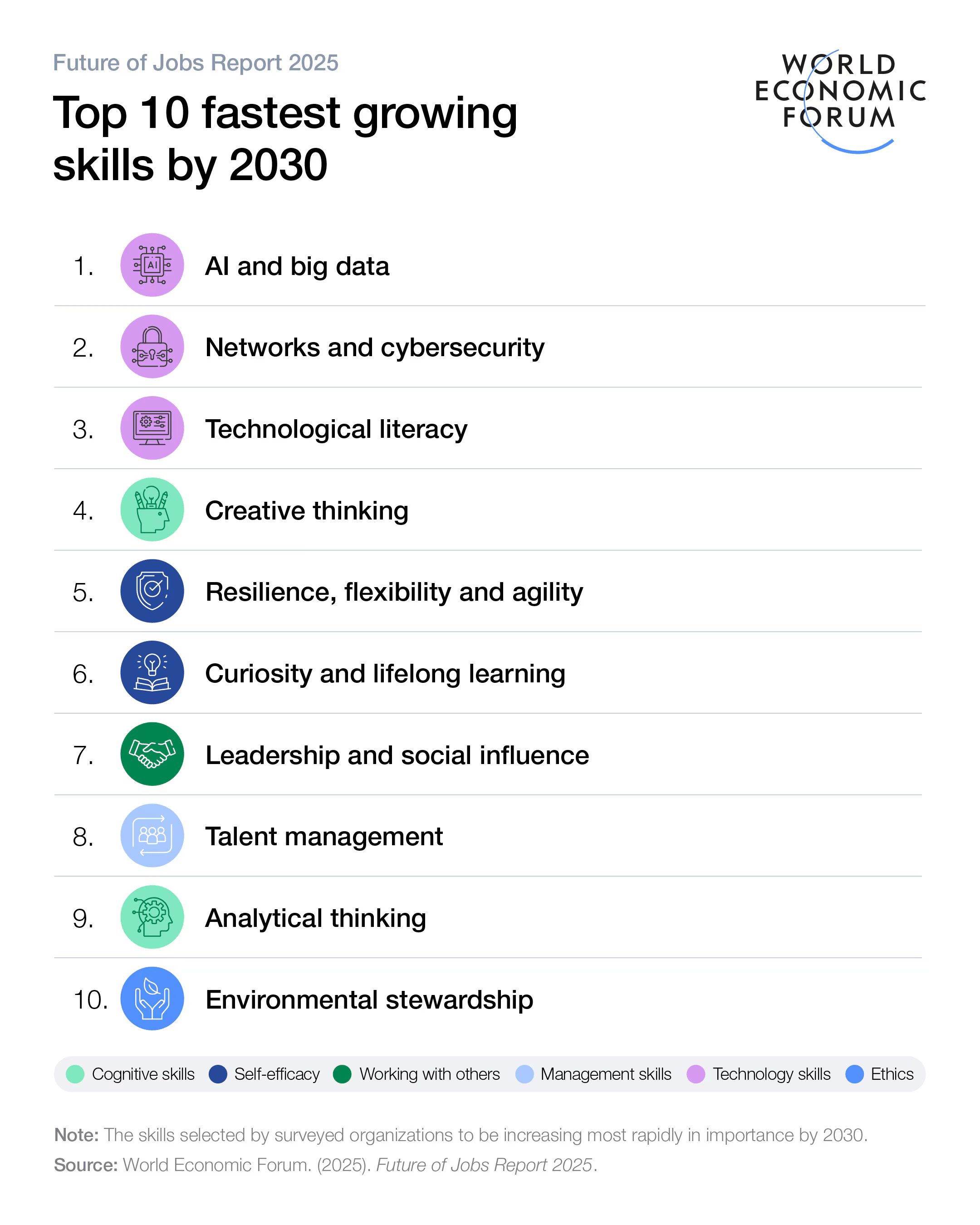
At the same time, sustainability is no longer confined to dedicated ESG teams. The World Economic Forum has repeatedly highlighted that green transition skills will increasingly be required across almost every function (not just sustainability specialists). Procurement teams, finance departments, operations managers, product designers, marketers, and executives are all being asked to make decisions with sustainability implications.
And it is not a single decision made in isolation either. It is thousands of small decisions made across different functions, every single day.
It shows up in questions like:
- Which supplier gets selected
- Which materials are approved for production
- Which logistics route is chosen
- Which product design trade-off is accepted
- Which travel option gets booked
However, each of these decisions are shaped far more by immediate constraints. Things like cost pressures, delivery timelines, internal targets, approval processes, and the tools people actually have in front of them tend to win the argument more often than a training module from last quarter.
This is why training alone struggles to create consistent impact. It operates at the level of knowledge, while the real drivers of behaviour sit at the level of systems, incentives, and whatever is easiest 5 minutes before end of day on a Friday.
What real-world examples tell us
Sustainability is not a new priority for large organizations. Many have been working on it for years, investing in training programs, reporting systems, internal guidelines, and ambitious long-term targets.
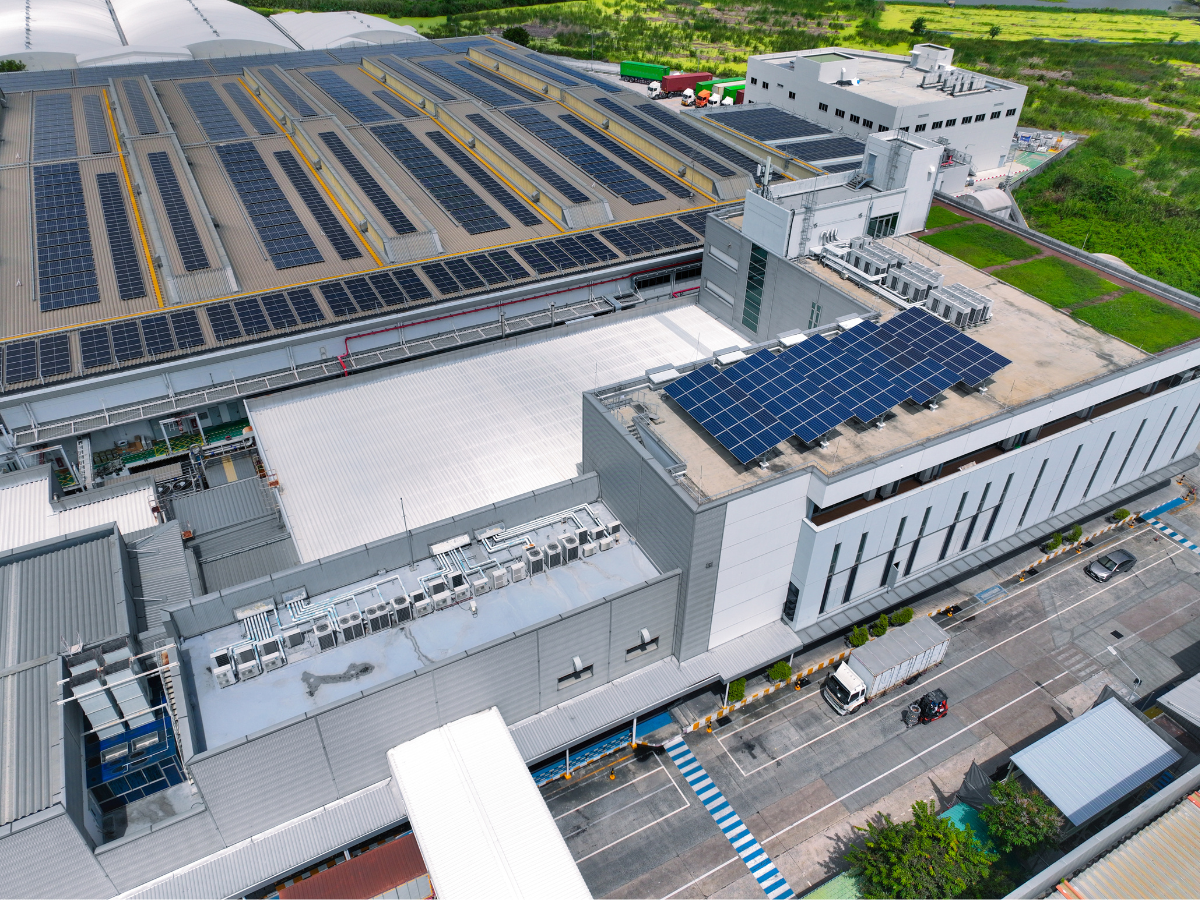
Yet despite this, a familiar challenge keeps appearing across industries: the gap between intent and execution.
Consider companies like Unilever and IKEA. Both have been early and visible leaders in corporate sustainability, with long-standing commitments embedded into strategy, operations, and supplier engagement.
And yet, like many large organizations, they operate in highly complex environments where sustainability goals must be translated across thousands of daily decisions. Decisions made by employees, suppliers, and partners spread across geographies and functions.
At this scale, the challenge is rarely about whether the organization understands what needs to be done. It is about whether that understanding consistently survives the journey from strategy to execution.
This is not a reflection of poor training or weak intent. It is a reflection of scale.
In fact, skills shortages are increasingly being identified as one of the biggest barriers to achieving net-zero targets. Industry research, including work from World Economic Forum and McKinsey, consistently points to capability gaps as a critical challenge in the transition to a more sustainable economy. Organizations may know where they want to go; the harder question is whether enough people across the business have the skills and support needed to get them there.
When thousands of people are making daily trade-offs under different constraints, a one-time or periodic learning intervention cannot reliably shape behaviour on its own.
Sustainability needs feedback, not just instruction
An underestimated gap in sustainability capability building is feedback.
In many organizations, employees make decisions that have sustainability implications every day, but they rarely see what happens next. The outcomes of those decisions are usually absorbed into ESG reports, reviewed at a corporate level, and shared months later in management summaries.
As a result, there is a natural disconnect. People are expected to make better, more sustainable decisions, but they are rarely shown the consequences of the decisions they actually make.
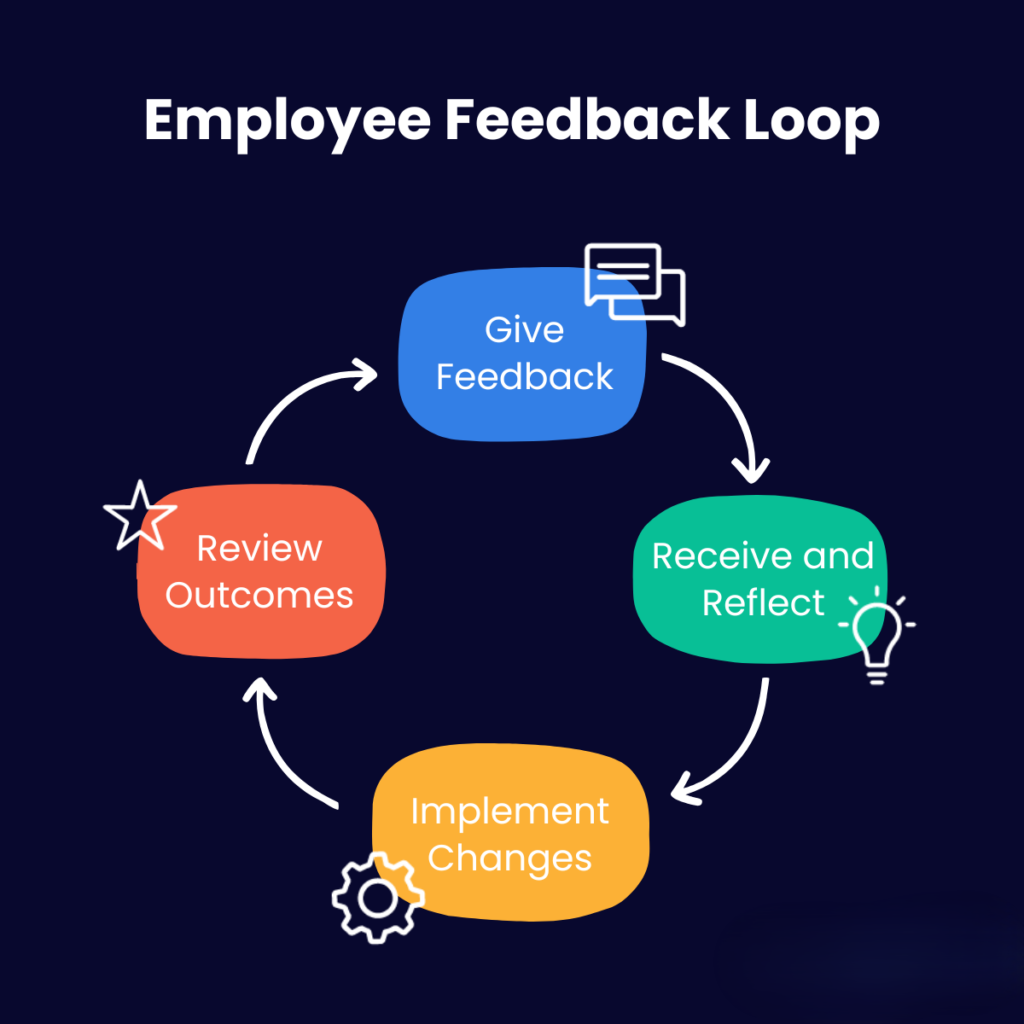
Without that feedback, learning stays theoretical. Behaviour does not shift over time because nothing in the system tells it to.
This is where sustainability differs from other operational areas. In functions like procurement or sales performance, feedback is immediate and continuous. People see the impact of their decisions quickly, through dashboards, targets, and performance metrics. Everyone knows exactly what is happening and whether it is good news or “we need to talk.”
The difference is not a lack of intent or motivation. It is the presence (or absence) of visibility.
From training programs to learning systems
If sustainability is understood as a continuous stream of decisions rather than a one-time knowledge requirement, then it quickly becomes clear that isolated training events are not enough on their own. What is needed instead is something more enduring: an ongoing system that supports learning as part of everyday work.
In practice, this kind of system tends to show up in three connected ways.
First, learning cannot remain static. Sustainability expectations, regulations, and operational realities are constantly evolving, which means the knowledge supporting them must evolve as well. Instead of fixed, one-off courses, organisations need learning that is continuously refreshed and extended over time.
Second, learning has to be connected to the point of decision. Information about sustainability is most powerful when it appears in the moment decisions are being made—not weeks or months earlier in a training module, and not long after in a report.
Third, learning only sticks when it is reinforced. Without repetition and feedback, even well-designed training fades into background knowledge that is difficult to retrieve when it is actually needed.
Taken together, these shifts move sustainability capability building away from standalone training programs and toward something more dynamic: a system that supports learning, application, and reinforcement continuously over time.
A simple way to think about it
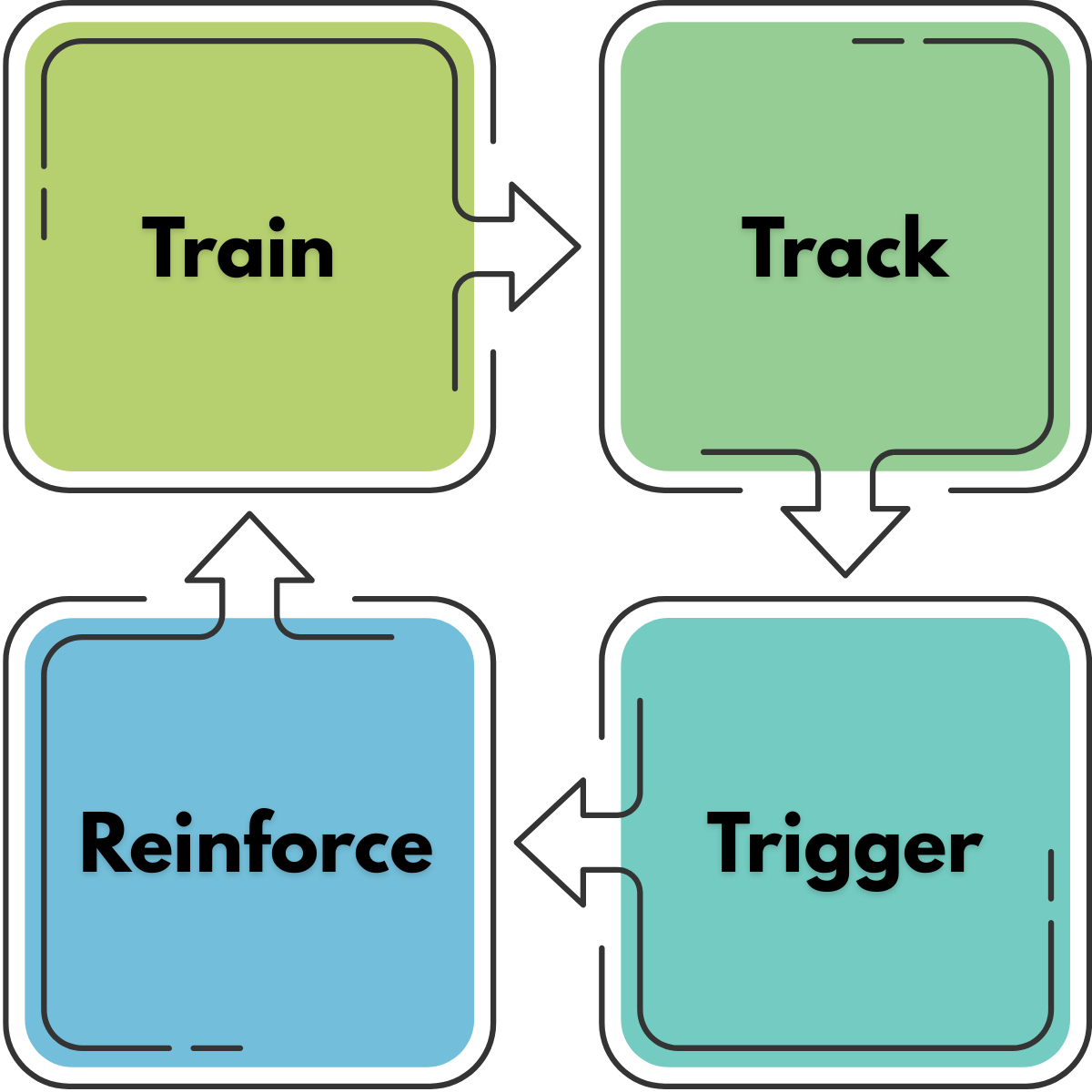
A helpful way to make sense of this shift is through a simple loop: Train → Track → Trigger → Reinforce.
At its core, the idea is straightforward.
Training builds foundational understanding, giving people the language and concepts so they can at least participate in sustainability conversations without Googling them mid-meeting.
Tracking brings visibility into what is actually happening in practice. It moves sustainability out of theory and into measurable reality, showing how decisions play out over time.
Triggers connect learning to action in the moment. Humans, unfortunately, do not always recall training content under pressure unless reminded at exactly the right time.
Reinforcement closes the loop, ensuring learning doesn’t politely disappear after the workshop and instead builds over time through repetition and feedback.
Together, this cycle is what allows sustainability to move from “we understand this in theory” to “this is actually how decisions get made.”
This is also where structured learning programs begin to take on a different role.
If organizations want sustainability to be embedded into everyday decision-making, learning cannot end after onboarding or a one-time certification. It needs to be ongoing—something that evolves with changing expectations, supports people as new challenges emerge, and reinforces application over time.
This is increasingly where sustainability capability building is heading: away from isolated training modules and toward continuous learning ecosystems that support behaviour change in context, rather than in theory.
In that sense, modern sustainability learning is less about delivering content and more about sustaining capability—helping people not only understand sustainability, but continue applying, adapting, and improving it as part of their day-to-day work.
Sustainability is a practice, not a module
Understanding sustainability is a necessary starting point, but understanding on its own does not change how organizations operate. Behaviour only shifts when learning is continuous, grounded in context, and reinforced through real decisions made in real time.
Sustainability is not something that can be “completed” through a course or certification. It is a capability that has to be built and rebuilt over time, through everyday actions and decisions. And as green skills become essential across virtually every role and industry, the ability to keep learning may prove just as important as the knowledge itself.
And in the end, the organizations that make meaningful progress will not be the ones that treated sustainability as a one-time training exercise. They will be the ones that kept learning, kept adapting, and gradually embedded sustainability into the way decisions are actually made.
The future of sustainability learning may have less to do with training programs and more to do with what happens between them. Green Skills Collective (our sustainability membership) is meant to do exactly that.
Not sure where your organisation sits on the journey from sustainability training to sustainability action? Let's figure it out together.
Book a free sustainability discovery call
💚 FSG Team
Author