SDG 13 - Climate Action - Sustainable Development Goals
Sep 18, 2023SDG 13 – Climate Action
-
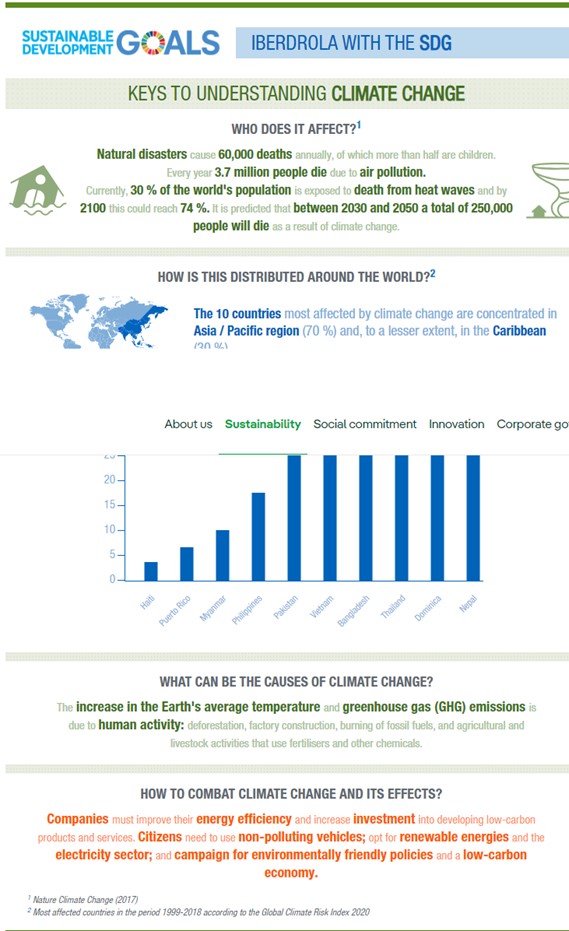
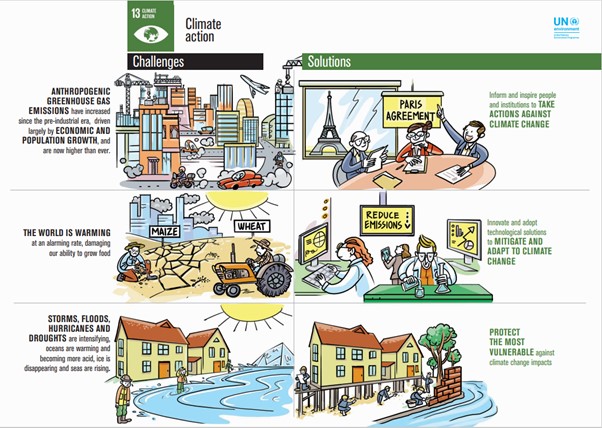
Climate change is driving extreme weather events, food insecurity, rising sea levels, and global health and infrastructure challenges.
-
Both mitigation (reducing emissions) and adaptation (preparing for unavoidable impacts) are key to climate action.
-
Climate education, innovation, and international cooperation are essential for transitioning to a low-carbon, climate-resilient future.
-
Businesses can contribute by cutting emissions, promoting sustainable products, and building resilient supply chains and communities.
-
Individuals can help by reducing waste, using renewable energy, consuming responsibly, shifting transport habits, and educating themselves.
SDG 13 calls for urgent action to combat climate change and its impacts. It is intrinsically linked to all 16 of the other Goals of the 2030 Agenda for Sustainable Development.
The focus of this goal is on action - we're living in a time where action is needed. This action is on two fronts, both mitigation and adaptation. We need to reduce our impact and realise that there's some climate change built into the system now and so we need to be able to adapt to this.

Why is SDG 13 important?
Today, climate change is affecting every country in the world. In an assortment of ways we are being impacted by climate change, and unless action is taken, this can only get worse tomorrow.
In 2024, the world experienced its warmest year on record, with global average temperatures reaching about 1.55°C above pre-industrial levels. Record ocean heat, atmospheric moisture, and sea-surface temperatures contributed to widespread extreme weather, including floods, heatwaves, droughts, storms, and wildfires across multiple continents. The effects continued through 2025, with global temperatures remaining among the highest ever recorded and climate-related disasters affecting millions of people worldwide.
These types of natural disasters are aggravating water management problems, reducing agricultural production and food security, increasing health risks, damaging critical infrastructure and interrupting the provision of basic services such water and sanitation, education, energy, and transport.
Human Activities have caused the global greenhouse emissions to continue to rise, and they are at their highest levels in history. Without action this will continue to increase, no one will be immune to the effects but the poorest and most vulnerable people will be hit the hardest.
Climate Change and SDG 13
Climate Change is a real and undeniable threat to our entire civilisation. It is a global challenge that does not respect national borders. Emissions anywhere affect people everywhere. It is an issue that requires solutions that need to be coordinated at the international level and it requires international cooperation to help developing countries move toward a low-carbon economy.
SDG 13, Climate Action, is about how we can adapt to the impacts of climate change.
It is an opportunity to think differently, to scale innovation at global and local scale. It is about us being able to teach a different way of thinking across all professions.
The focus of this goal is on action - we're living in a time where action is needed. This action is on two fronts, both mitigation and adaptation. We need to reduce our impact and realize that there's some climate change built into the system now and so we need to be able to adapt to this.
We need a shift in mindsets around how we think and how we plan, really thinking about preparedness and innovation as well how can we equip ourselves better to adapt and take action against climate change.
Through education, innovation, and adherence to our climate commitments, we can make the necessary changes to protect the planet. These changes also provide huge opportunities to modernise our infrastructure which will create new jobs and promote greater prosperity across the globe.
When considering the measures which we must urgently take - we can highlight in particular our need to:
- Improve resilience and capacity to adapt to climate-related risks.
- Include actions regarding climate change in governments' policies and strategies.
- Improve education and awareness.
What can you do?
As a business:
- Ensure Climate Resilience of company and supply chain operations and the communities surrounding them: Companies can ensure that their own assets are resilient to climate impacts. Companies can also lead by building resilience across multiple tiers of the supply chain and the communities surrounding these. Action might include setting supplier standards, providing capacity building, technical, financial support to stakeholders including through engagement with government and local partners to support content specific resilience and adaptation plans.
- Reduce Operational emissions associated with own and supply chain operations in alignment with climate science: The urgency of climate action driven by the necessity to achieve net zero emissions calls for significant mitigation efforts by all businesses businesses must recognise and disclose emissions from all sources throughout the lifecycle of products and services including direct emissions of own operations scope one indirect emissions from power and heat consumption scope 22 and emissions associated with the supply chains scope 3.
- Develop products with negligible emissions: Shift to a portfolio of goods and service that have and promote negligible emission from use. All companies should aim for products and services that have the least possible emissions from use.
- Promote climate conscious behaviour and build capacity for climate action: Companies must actively promote climate conscious behaviour through building climate change awareness and education programs. To this end they can implement a climate change specific communications education and awareness raising strategy targeting behavioural change in the workplace marketplace and community.

As an Individual:
- Organise! Join a climate group or organisation
- Social influence - Wake your networks up to how dire the situation is
- Shift investments - Ensure your finances aren't used to invest in fossil fuels
- Educate yourself - Green Skills For Life, ESG Leadership Programme
- Behavioural change
- Eat less meat, poultry, and fish. More resources are used to provide meat than plants, not to mention all the negative impacts of these industries.
- Approach your consumption with circular economy in mind - Reduce your waste
- Consume sustainably, choose organic, Fairtrade, local products
- Compost your food waste
- Save energy, reduce your use
- Switch to renewable energy
- Travel more sustainably, public transport, lift share, cycle, walk
Educate for Climate Action
If we want a more actionable future, we need to teach it - not just hope for it.
So where do you start?
- Explore our courses to learn how to bring sustainability, impactful change and social responsibility into your work or classroom.
- Book a call with our team to see how you can support your organisation or school.
- Or, if you're just getting started, listen to our podcast series for chaotic, but insightful discussions about everything sustainability.
Whether you're an educator, a business, or simply someone who wants to try, there's a way for you to be a part of the change.
Building a better world shouldn't feel overwhelming, it should feel possible.
Thank you for reading,
The Fifty Shades Greener Team 💚
Author