SDG 16 - Peace, Justice, & Strong Institutions - Sustainable Development
Oct 30, 2023SDG 16 – Peace, Justice and Strong Institutions
-
SDG 16 aims to promote peaceful, inclusive societies, ensure access to justice, and build accountable institutions at all levels.
-
Current global conflicts, mass displacement, and regression in human rights protections highlight how far we are from reaching this goal.
-
War, driven by people in power, prevents millions from meeting basic needs and fulfilling their potential.
-
Education plays a central role in peacebuilding by shaping mindsets, promoting inclusion, and teaching respect for human rights.
In 2015, leaders from 193 different countries agreed on 17 global goals they felt the world needed to achieve by 2030.
The main goals of SDG 16 are to promote peaceful and inclusive societies for sustainable development, provide access to justice for all, and build effective, accountable, and inclusive institutions at all levels. 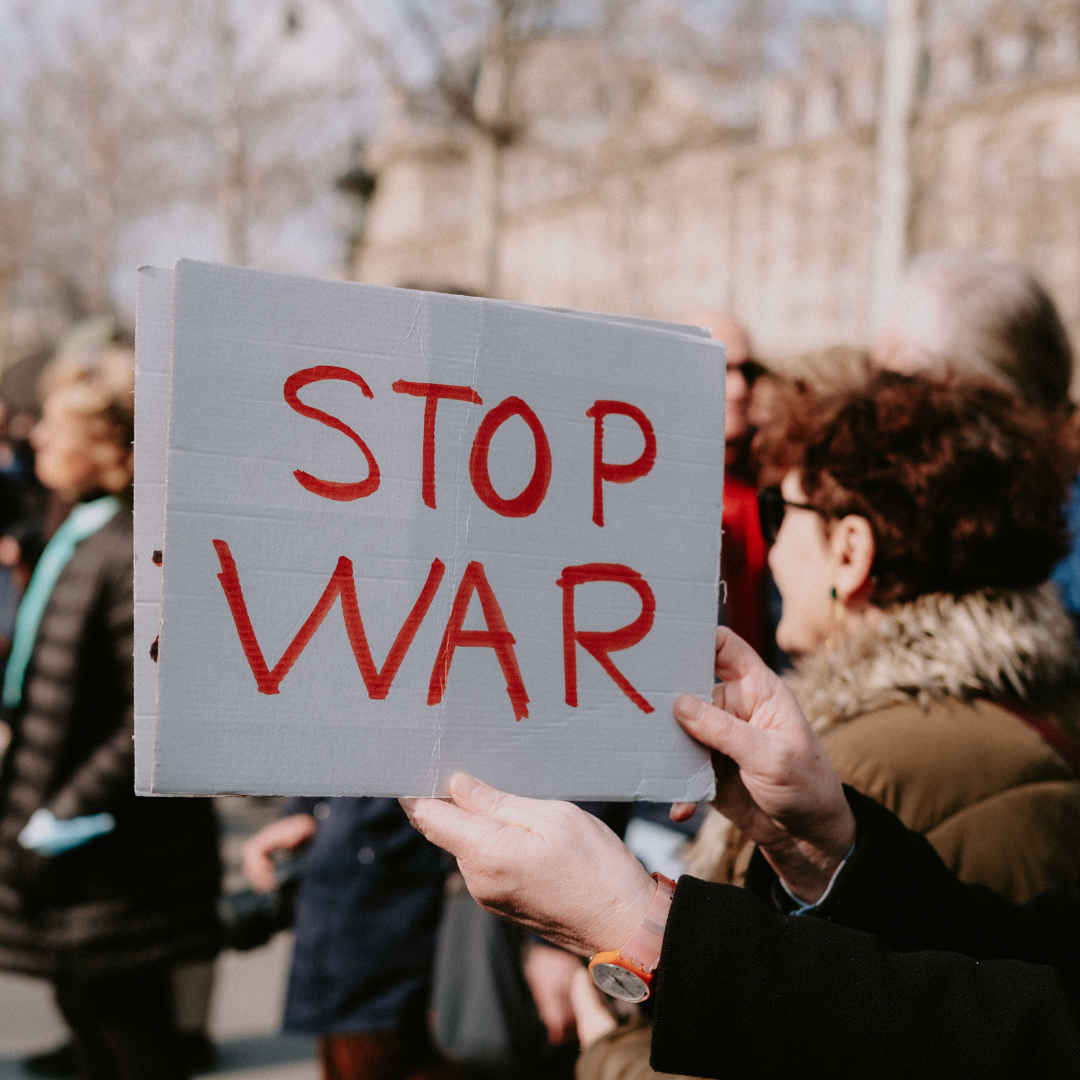
It is, of course, that today we write this blog with a heavy heart. Just a few years away from our target date of the 2030, this goal seems more unachievable than ever.
In 2022, over 108 million people were forcibly displaced worldwide, the war in Ukraine played a role on enhancing this number to 2.5 time higher than a decade ago. In 2025, this number has reached to just over 117 million. That's not just a number - that's more than the population of many countries.
With no signs of an end to the Russian invasion, conflict in Palestine and Israel, and now Iran's war with Israel and the US, we are not only failing to improve to achieve this goal, we are actually moving backwards.
Wars amongst countries happen for many reasons including economic, territorial, religious, political, civil, revenge, and ideological reasons. But in 100% of cases, wars are started BY PEOPLE, by people in power, or powerful positions within their own society.
The media is inundated with the present conflict between Palestine and Israel, you hear and read arguments from both sides, and depending on the source, both sound like “they are right”. I have seen many heated exchanges on social media, we see reports of conflicts in London, Paris, and many other parts of the world from supporters of either side. And now with the war between Iran and Israel-US demonstrate show how fragile global peace really is.
The reality is that NOBODY IS RIGHT. Civilian suffering, regardless of the reasons that drove people to commit those crimes, IS NEVER RIGHT.
I, often in my speeches, speak about Maslow’s Hierarchy of needs, a motivational theory in psychology comprising a five-tier model of human needs.
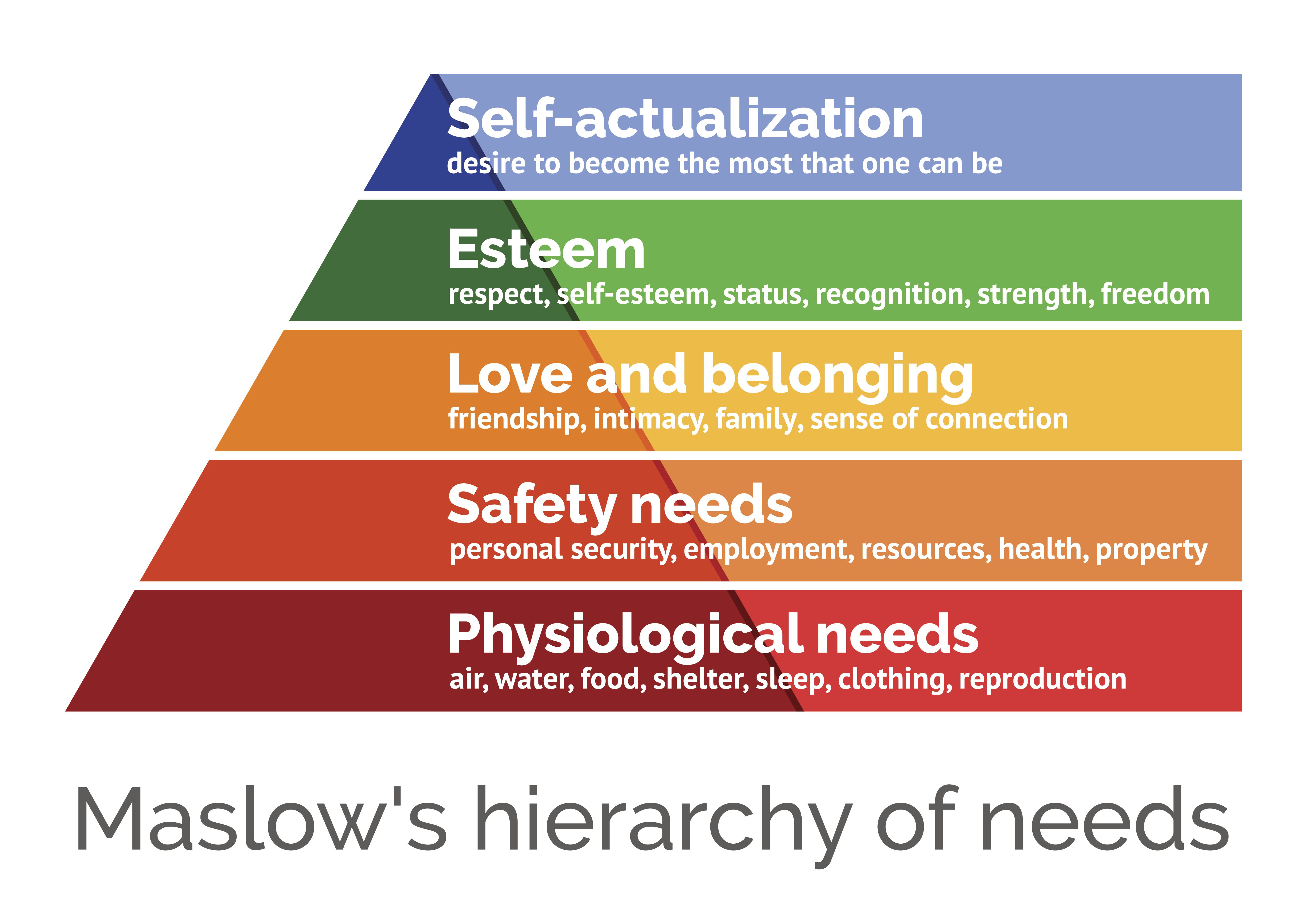
It explains that in order for people to realise their full potential, their basic needs have to be covered first, things like food, water, warmth…but also security and safety. Until those basics needs are covered, we have very little chances to fulfil our potential.
What chance, do the people in territories at war, have to ever realise their full potential? None, I am afraid.
LEAVE NO ONE BEHIND is the central, transformative promise of the 2030 Agenda for Sustainable Development.
I personally feel we have never been so far from reaching this promise.
So, what is peace? There are some definitions, but essential positive peace is defined as the attitudes, institutions and structures that create and sustain peaceful societies that live in harmony regardless of their cultural differences.
War & Peace, are opposite states of a nation or a society driven by people’ decisions, therefore, the solution lies within us and our educational systems.
In September 2022, I was lucky enough to travel to Geneva to meet the UPEACE, an institution of higher education dedicated to the study of peace. Created by UN General Assembly Resolution 35/55, the University for Peace has been training leaders for peace for the past four decades. It is a unique global academic institution with over 2,000 Alumni hailing from more than 120 nations.
If we think about PEACE as one of the founding blocks for individuals to realise their full potential, should this not be a priority in our educational curriculums?
Education is the most powerful tool we have to change mindsets, to empower people all over the world to make the right choices. Choices that take other people into consideration, choices that don’t infringe the human rights of others, choices that allow us all to live in harmony, even when we have differences of opinion, culture or habits.
What can we, individuals and organisations, actually do?
- Find a charity which focuses on Goal 16 and support it. Any donation, big or small, can make a difference!
- Exercise your rights to hold your elected officials accountable to freedom of information and share your opinion with your elected representatives.
- Promote inclusion and respect towards people of different ethnic origins, religions, gender, sexual orientations or different opinions.
Educate for Peace and Justice
If we want a more peaceful future, we need to teach it - not just hope for it.
So where do you start?
- Explore our courses to learn how to bring sustainability, peace and social responsibility into your work or classroom.
- Book a call with our team to see how you can support your organisation or school.
- Or, if you're just getting started, listen to our podcast series for chaotic, but insightful discussions about everything sustainability.
Whether you're an educator, a business, or simply someone who wants to try, there's a way for you to be a part of the change.
Building a better world shouldn't feel overwhelming, it should feel possible.
Thank you for reading,
The Fifty Shades Greener Team 💚
Author