
How to Reduce Waste in Hospitality: Start by Looking in Your Bins
Oct 09, 2026Ever put something in the wrong bin, and realized it mid-throw? Your brain says stop, your hands keep going, and by the time you've finished the thought the lid has already closed. In a busy hotel kitchen or a full breakfast service, it happens more than anyone likes to admit.
We're ashamed to admit it... but we've done it at some point too.
The EPA estimates that around a quarter of what lands in Irish recycling bins shouldn't be there, and that roughly two-thirds of the contents of general waste bins belong somewhere else. Most of us aren't careless. We're busy, and the bin is right there.
What is hospitality waste?
Hospitality waste is everything a hotel, restaurant, café or pub throws away while looking after guests: food, packaging, glass, paper, single-use items and whatever gets left behind in bedrooms. Most of it ends up in one of three bins, general waste, recycling or food waste, and how well you split it between them shapes both your bill and your impact.
Out of sight, out of mind
Bins are built to make things disappear. Once something goes in, it gets collected and driven away, and it becomes somebody else's problem. That's a big part of why waste is so easy to ignore.
Recycling has had the same issue. For years, many of us were never properly told the rules. The message now is simple: clean, dry and loose. Rinse it, let it drip dry and put it in the bin without a bag. It matters more than it sounds. Repak found that a third of people in Ireland don't realise one dirty container can contaminate a whole bin, and contaminated loads can be rejected altogether. But we also had our doubts about the entire recycling industry worldwide…
Then there's where it all goes.
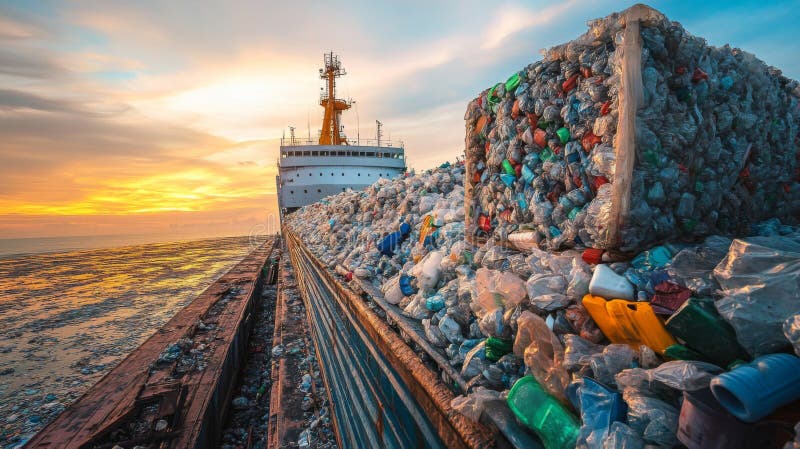
Not long ago, most of Ireland's recyclable plastic was shipped to China, until China stopped accepting it. We're not the only ones. Germany, Japan, the UK, the Netherlands and the US all export hundreds of thousands of tonnes of plastic waste every year, and the top 10 exporters account for around 71% of the global total. Crazy, right?
Sending waste abroad has always been a way of not looking at it, but that's starting to change. From 21 November 2026, the EU will ban plastic waste exports to non-OECD countries, with the ban running until May 2029. Shipping to other OECD countries is still allowed, so the problem hasn't gone away, but it is now being closely watched.
Food waste: The bin that hurts the most
Of everything that goes in your bins, food is the most painful. You paid for the ingredients, you paid to store and cook them, and now you're paying again for someone to take it away.
The numbers add up quickly. In 2023, restaurants and food services in Ireland generated around 175,000 tonnes of food waste, about 21% of the national total, and the EPA estimates food service businesses lose more than €300 million a year because of it. EPA benchmarks put the cost at roughly €2.90 per kilo for a full-service restaurant and €3.38 per kilo for hotel functions, based on what the food cost to buy (slightly old, but still accurate). A single 140-litre food waste bin weighs about 85 kilos, so one full bin a week works out at somewhere between €13,000 and €15,000 a year. We've seen some hospitality businesses put well over €150,000 worth of food in the bin.
There's a climate cost too. In landfill, food rots without oxygen and releases methane, which is more than 80 times stronger than CO₂ over 20 years (we dig into that in our circular economy blog). The UN estimates that food loss and waste cause 8 to 10% of global greenhouse gas emissions. That's enough that, if food waste were a country, it would rank third behind China and the US. Globally, food service accounts for around 28% of the food wasted across retail, food service and households.
How to reduce waste in hospitality: Start with a bin check
Nobody loves this job. Raquel did it herself when she worked in hotels, and by acting on what she found she cut her hotel's waste by 30% in a year. It's the most useful hour you'll spend on waste.
- Check your bins at different times of day and on different days for a week, and write down what you see most. (Top tip: Make sure you wear gloves so you can move pieces of waste out of your way to see what’s underneath!)
- If you run a bigger business, ask each head of department (housekeeping, kitchen, leisure centre) to do the same with their own bins.
- Pool everything at the end of the week and pick out your top two disposed off items.
- Ask whether each one is actually needed, either to make money or to improve the guest experience. If it isn't, stop buying it. You paid for it to come in, and you're paying again for it to go out. If it is needed, can you think of a different item/material which can be re-used time and time again?
What if guests love it?
That's the hard part. Change is easier when you can see how it plays out, so here's a story from a hotel Raquel used to work in.
After a week of bin checks, the top item in the landfill bin turned out to be the complimentary slippers from the bedrooms. They'd been part of the hotel's offer for years. After doing the maths, the hotel took them out of the rooms and left a note from the general manager explaining the environmental impact of this decision. Anyone who wanted slippers could ask reception and they'd be brought up. A month later, two guests had asked for slippers and twelve had gone out of their way to say how much they liked the green initiative.
If you're worried about guest reactions, give people the choice, then check the results after a month or two. Either way, your waste bill and your environmental impact goes down.
The rules are catching up with sauce sachets
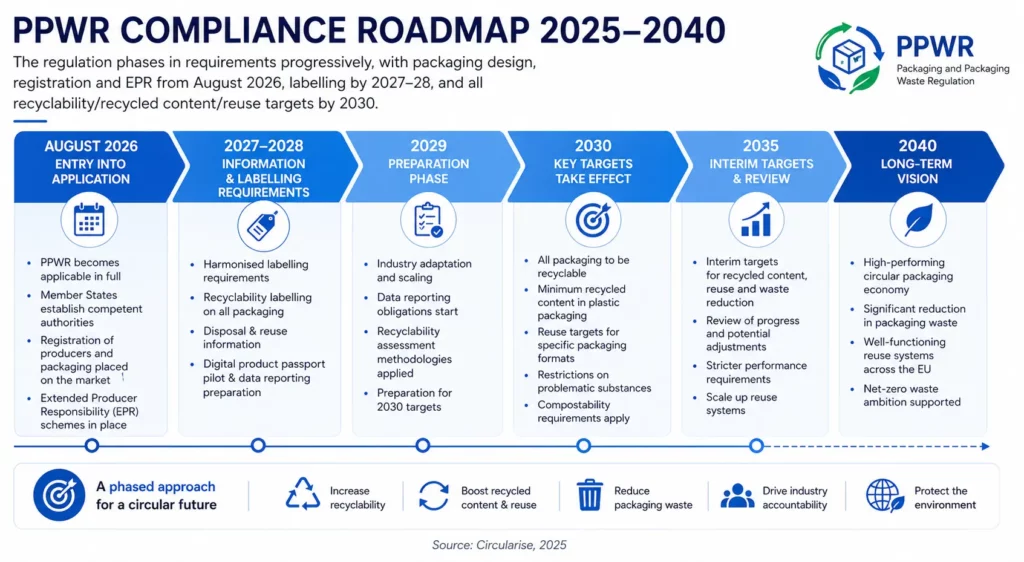
If you've ever looked at an individually wrapped sauce sachet and wondered who thought it was a good idea, the EU has been wondering too. The Packaging and Packaging Waste Regulation (PPWR) started applying on 12 August 2026, and from 1 January 2030 it bans specific single-use formats that hit hospitality directly:
- Single-use plastic portions of condiments, sauces, sugar and creamer served on site
- Single-use plastic packaging for food and drink consumed on the premises
- Single-use miniature toiletries in accommodation, whatever they're made of
The slipper story applies to a lot more than slippers. Businesses that start trimming single-use items now won't be scrambling in 2030, and they get to find out what their guests actually think in the meantime. Our founder Raquel also has a saucy story! Back in 2019 she launched the #SaucyChallenge with the aim to abolish all individually warped sauces.
What can you do today?
- Get specific about what you throw away. "Packaging" isn't a finding. "Four cardboard boxes a day from deliveries, going into mixed recycling" is.
- Sort your bins properly. Label them clearly, show your team the clean, dry, loose rule and keep food out of general waste.
- Know your suppliers. Local, seasonal produce tends to travel less and arrive fresher, which can mean fewer losses before it ever reaches your kitchen. The EPA says over 70% of Ireland's food waste is generated across the food supply chain rather than in households, so what happens upstream matters. A seasonal menu that names its producers also gives guests something to talk about.
- Swap, don't just remove. Offer the alternative on request, as the slippers showed.
- Abolish single-use items before 2030 (or before the end of this month really!). Sachets, miniatures guest amenities and takeaway-style packaging for dine-in are the obvious places to begin.
- Measure again. Repeat the bin check after a month. If you don't measure, you won't know what worked.
Individual businesses can make a real dent, but they can't carry the whole thing. Recycling matters, and it was never meant to be the plan. The plan is making less waste in the first place, and that depends on rules about packaging, design and exports that go well beyond any one kitchen. It's encouraging to see the PPWR and the export ban finally pulling in that direction.
Final thoughts
Waste has always been easy to ignore, because the whole system is designed to take it out of our sight. Looking in your bins for a week is a small act of defiance against that, and it tends to turn up more than you'd expect.
If you want to go further and map where waste is actually being created in your own organisation, why it happens and what to tackle first, our Cut the Waste mini-course (part of the Green Skills Collective membership) walks you through exactly that, using real Irish and European examples, in under an hour.
👉 Explore Green Skills Collective.
💚 FSG Team
Author